
Last updated October 16, 2026
 AC repair
 Furnace & heating
 Heat pumps
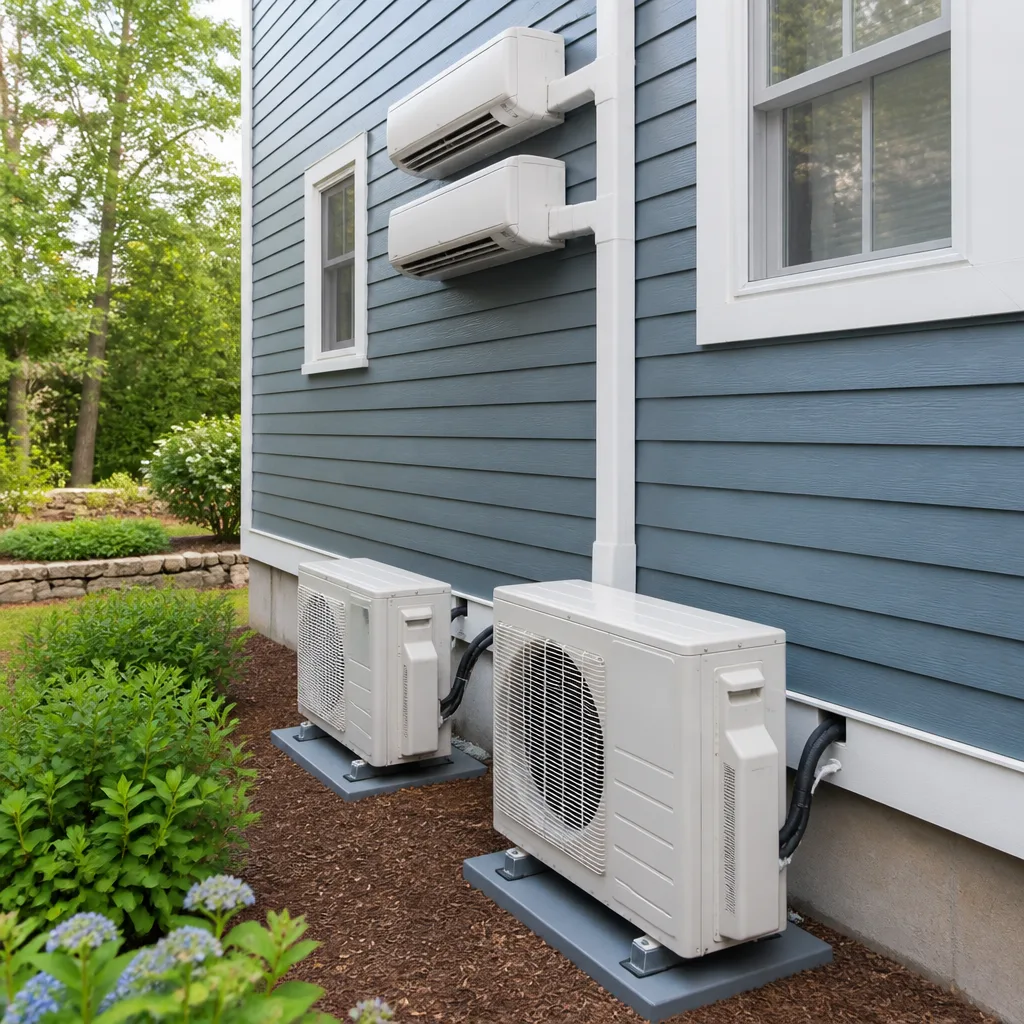 Ductless mini splits
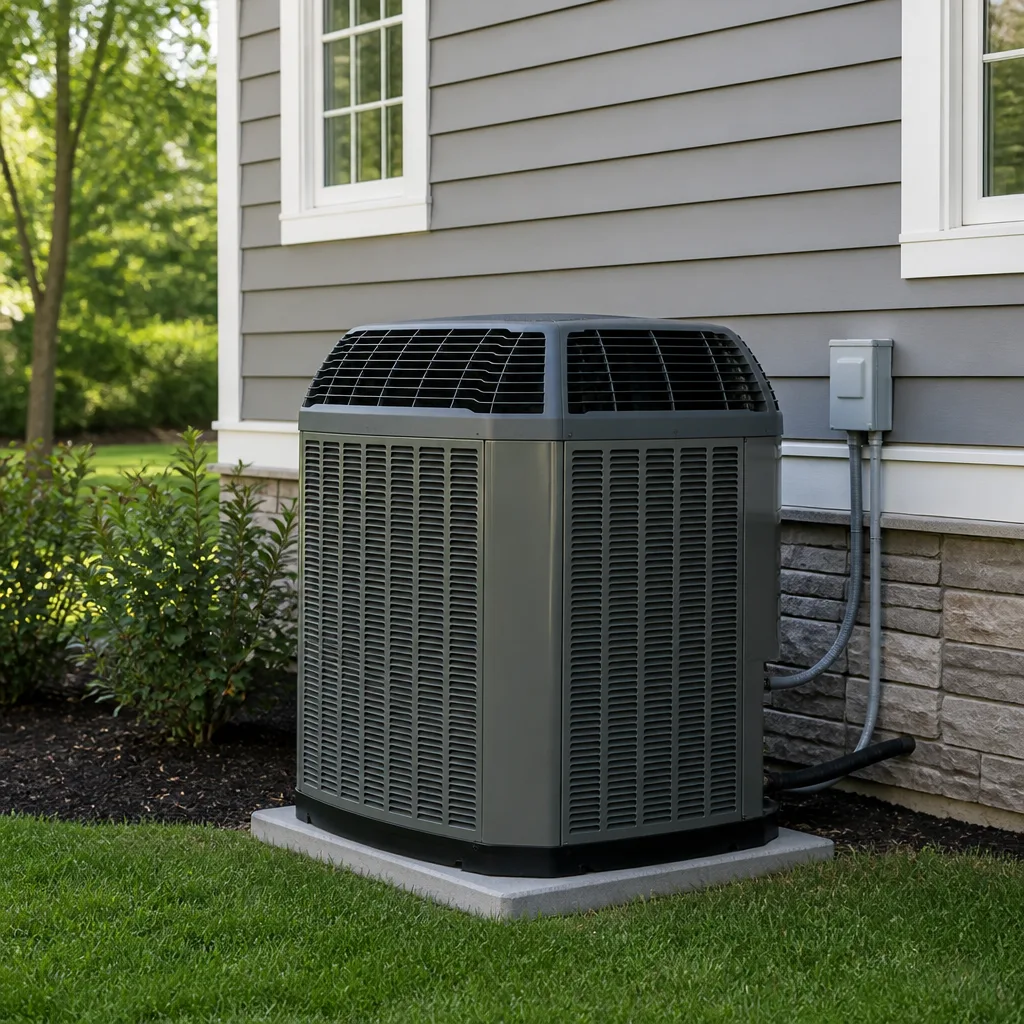 Trane
Trane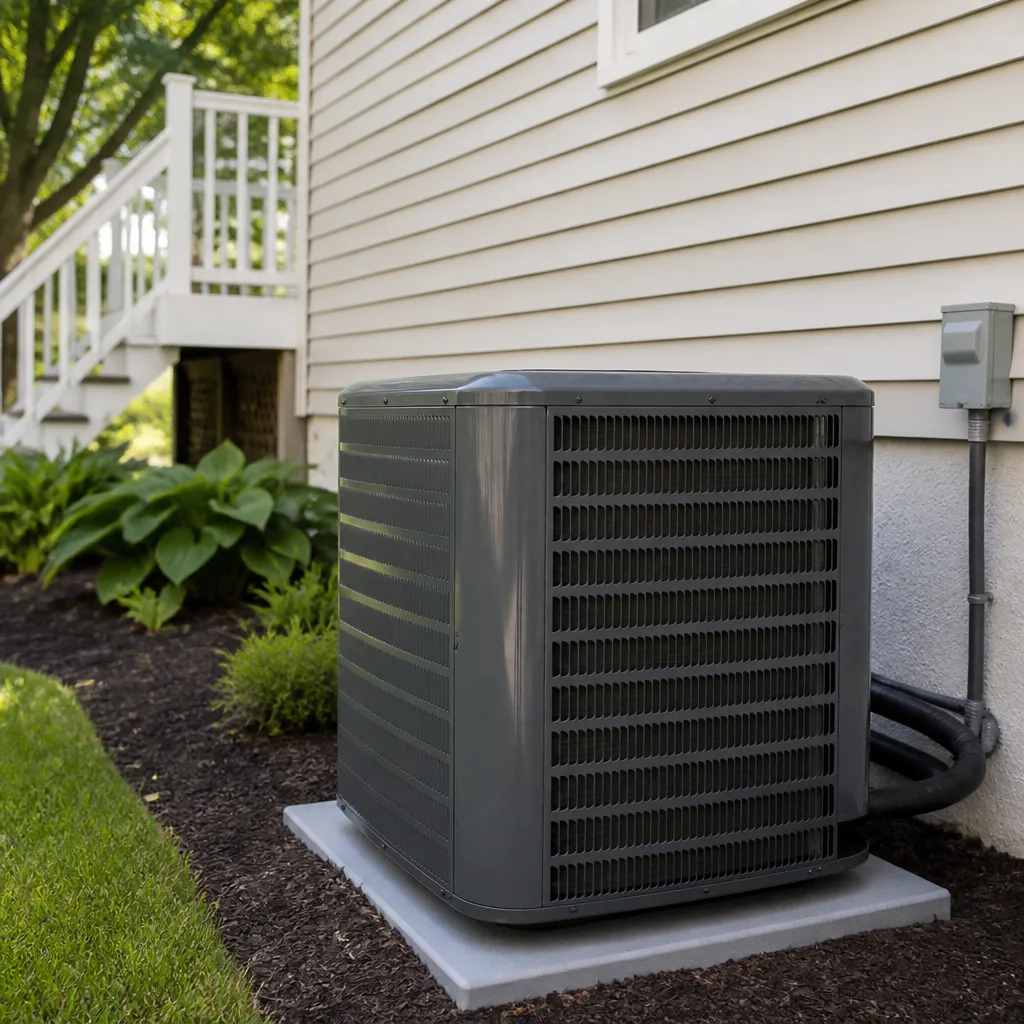 Goodman
Seasonal tune-up and full diagnostic on your Carrier, Trane, or Goodman system - readings shown to you before any repair is proposed
Diagnosis first, numbers second - you approve the repair price before a single part goes in.
Get your free estimateHVAC Permits, Codes & Inspections in TX: What You Need to Know
Here’s a number most San Antonio homeowners never hear until it’s too late: a meaningful share of HVAC replacements in Bexar County happen without the required city permit. We see the fallout regularly, and it’s never the contractor who gets the call from the City of San Antonio Development Services Department. It’s the homeowner, holding a notice of violation on a house they’re trying to sell. This guide explains exactly when a permit is required, what an inspector actually checks, how to confirm your contractor pulled the permit before the first tool hits the driveway, and what to do if you’ve inherited an unpermitted system. For related reading, see our HVAC Warning Signs: A San Antonio Homeowner’s Reference Guide. You’ll learn the rules that apply in San Antonio specifically, including the warranty language buried in your manufacturer agreement that can void a 10-year parts warranty over a missing $80 permit.
Quick Answer
HVAC permits are required in San Antonio for any system replacement, new installation, or ductwork modification. Like-for-like repairs, filter changes, and thermostat swaps generally do not require a permit. The contractor is legally responsible for pulling the permit, but the homeowner carries the financial and legal risk if work is done without one, including fines, mandatory corrective work, voided manufacturer warranties, and complications during a home sale.
Styles & brands we work with
Table of Contents
- When Does an HVAC Job Require a Permit in San Antonio?
- Who Pulls the Permit: Contractor or Homeowner?
- How to Look Up a Permit Online in 90 Seconds
- What the City Inspector Actually Checks
- The Warranty Clause That Kills Unpermitted Installs
- You Bought a House With Unpermitted HVAC Work: Now What?
- What Permits and Inspections Cost in San Antonio
- Common Mistakes to Avoid
When Does an HVAC Job Require a Permit in San Antonio?
The City of San Antonio follows the International Mechanical Code and International Residential Code, adopted with local amendments. Under these codes, any change to a home’s mechanical system that alters the equipment, the ductwork, or the electrical or gas connections feeding the equipment requires a mechanical permit. Here’s the practical trigger list we use with homeowners in neighborhoods from Alamo Heights to Stone Oak to Helotes:
Jobs that REQUIRE a permit:
- Full system replacement (new condenser and new indoor coil or furnace). This is a mechanical change-out and always requires a permit in San Antonio.
- New installation (adding central air to a home that never had it, or adding a new unit for an addition).
- Ductwork modification, including replacing more than a small section of duct, changing duct sizing, or adding new supply or return runs.
- Moving equipment, such as relocating a condenser from one side of the house to another.
- Gas furnace replacement, which also triggers a gas line inspection because the connection point changes.
- Electrical service changes to feed a new system, such as replacing a disconnect or running new circuit wiring.
Jobs that do NOT require a permit:
- Like-for-like part replacements: a new capacitor, contactor, blower motor, compressor, or fan motor on an existing permitted system.
- Refrigerant recharge on an existing system.
- Thermostat swaps.
- Filter changes and routine maintenance, including coil cleaning and drain line clearing.
- Small duct patches or sealing, as long as the duct layout and sizing are unchanged.
Here’s the nuance most homeowners miss, and it matters a lot: a repair becomes a replacement in the eyes of the city when the scope crosses from “part swap” to “system change-out.” If your compressor fails and the tech recommends replacing the entire condenser plus the indoor coil, that is a replacement and it needs a permit. If they only replace the failed compressor, no permit. The distinction comes down to whether the equipment itself is being changed out. When in doubt, ask the contractor directly: “Are you pulling a permit for this?” If the answer is anything other than a clear yes on a replacement job, stop and read the next section.
Who Pulls the Permit: Contractor or Homeowner?
In San Antonio, the licensed HVAC contractor performing the work is legally responsible for pulling the mechanical permit. This is not a gray area under current municipal code. A licensed contractor who performs permitted work without pulling the permit is violating the terms of their own license, which is grounds for discipline from the Texas Department of Licensing and Regulation. That fact alone should tell you something about contractors who suggest you “skip the permit to save money.” They are asking you to take on risk they are professionally prohibited from taking on themselves.
Here is what the permit actually represents, beyond the paper. When a contractor pulls a mechanical permit in San Antonio, three things happen automatically:
- The job is registered with the City of San Antonio Development Services Department, creating a public record that the work was performed by a licensed contractor.
- An inspection is scheduled upon completion. That inspection is not optional, and the contractor cannot close the permit without passing it.
- The contractor’s license number is tied to the job, which gives the city leverage to require corrective work if the inspection fails.
When no permit is pulled, none of those three safeguards exist. The job does not exist in any public record. No inspector ever looks at the work. And the homeowner’s only recourse against a bad install is whatever the contractor decides to honor, which in the case of an unpermitted job is often nothing.
One more thing worth understanding: some homeowners assume their homeowner’s insurance covers unpermitted work. It generally does not. Most Texas homeowner policies contain language excluding damage caused by work performed without required permits. That means an electrical fire traced back to an unpermitted HVAC install can result in a denied claim. We have heard this exact story from homeowners in San Antonio more than once, and it is a brutal conversation to have after the fact.
How to Look Up a Permit Online in 90 Seconds
The City of San Antonio Development Services Department maintains a public portal where anyone can search for building and mechanical permits by address. Most homeowners do not know this exists, and it is the single most useful tool in this entire guide. Here is the step-by-step:
- Go to the City of San Antonio Development Services Department website and find the “Permit Search” or “Citizen Access” portal (the exact label has changed over the years, but the department’s main page links to it).
- Enter your street address without the street suffix. Example: “123 Main” rather than “123 Main St.”
- Select “Mechanical” from the permit type filter.
- Review the results. A pulled permit will show the contractor’s name, the permit status (issued, inspection scheduled, finaled), and the inspection history.
- Look for the word “finaled” or “approved.” That is the inspection pass you want to see.
Do this before the job starts, not after. A contractor who says “we’ll pull the permit once we’re on site” is either disorganized or stalling. The permit should be issued before the first day of work. We tell homeowners we work with in San Antonio to check the portal the day before the scheduled install. If there is no permit showing, put the job on hold until there is one.
One San Antonio-specific note: the Permit Search portal covers work performed in the incorporated city limits. If you live in an unincorporated part of Bexar County, permit requirements vary. Some extraterritorial jurisdictions have their own rules, and some defer to county standards. The safest path is the same either way: ask your contractor to show you the permit number before work begins. A legitimate contractor will have no problem producing it.
What the City Inspector Actually Checks
The inspection that follows a permitted HVAC replacement in San Antonio is not a rubber stamp. It is a genuine safety and code-compliance review, and a good contractor prepares for it seriously. Here is what the inspector is looking at, in plain language:
- Equipment placement and clearances. The condenser needs enough space around it to move air, and it needs to sit on a proper pad or stand. Tight installations against fences or walls are a common fail point.
- Refrigerant line sizing and insulation. The copper lines that carry refrigerant between the indoor and outdoor units must be the correct diameter for the system capacity, insulated properly on the cold line, and secured at code-required intervals.
- Electrical disconnect and wiring. There must be a readily accessible disconnect box near the condenser, with the correct amperage rating and proper grounding. This is the single most common inspection failure we see in San Antonio, often on older homes where the existing disconnect was undersized for the new equipment.
- Ductwork connections and sealing. The inspector checks that new or modified ductwork is properly connected, sealed at the seams, and not crushed or kinked. Significant duct leakage is a fail.
- Condensate drainage. The drain line from the indoor coil must slope properly and terminate in a code-approved location, not dumping water against the foundation or into a crawlspace.
- Gas connection and venting (for furnace replacements). The gas line connection is tested, the shut-off valve must be present, and the furnace venting must meet clearance requirements from combustible materials.
- Equipment labeling and documentation. The inspector verifies the installed equipment matches the permit application. This catches bait-and-switch situations where a contractor pulls a permit for a 3-ton system and installs a 2-ton one.
Passing inspection means all of these details were verified by a third party who has no financial stake in the job. That is the whole point. A city inspector is the only person who looks at your new HVAC system whose job is exclusively to say whether it is safe and correct. The contractor’s job is to sell and install. The manufacturer’s job is to sell equipment. The inspector is the one independent set of eyes in the whole transaction. That is what that $80 permit fee is actually buying you.
The Warranty Clause That Kills Unpermitted Installs
Every major HVAC manufacturer’s warranty agreement, including Trane, Lennox, Goodman, and Rheem, contains language requiring installation in compliance with all applicable local codes and ordinances. That clause is not decorative. It is the legal hook manufacturers use to deny warranty claims on equipment that was installed without required permits.
Here’s how it plays out in the real world. You replace your system in 2024. The contractor suggests skipping the permit to save you a hundred bucks. The install is done, the system works, and you forget about it entirely. Two years later, the compressor fails. You call the manufacturer for warranty coverage on a part that should still be covered under the 10-year parts warranty. The manufacturer asks for proof of professional installation. In many cases, they ask specifically for the permit number or a copy of the final inspection. If you cannot produce it, the warranty claim is denied under the “installation per local code” clause. You are now paying $1,800 to $2,500 out of pocket for a compressor that should have been free.
We see this with equipment from every brand we service. The warranty language differs slightly between Trane, Lennox, Goodman, and Rheem, but the intent is identical: the warranty applies only when the equipment is installed legally. An unpermitted install is, by definition, not a legal install in San Antonio. The permit is your proof of legality.
This is also the moment to mention registration. Most manufacturers require the equipment to be registered within a set number of days after installation to activate the full warranty term. A contractor who skips the permit often also skips the registration, because both steps take time and documentation. That is a compounding failure. The homeowner loses the permit, the inspection, and the warranty protection all at once, and usually does not discover any of it until the system breaks.
You Bought a Home With Unpermitted HVAC Work: Now What?
This is the scenario that lands in our lap most often in San Antonio. A buyer closes on a house, and months or years later, a home inspection for their own resale, an insurance audit, or a simple repair uncovers the fact that the HVAC system was replaced without a permit. The work looks fine. The system cools. Everything seems okay until it isn’t.
Here is the sequence of events you should follow if you find yourself in this position:
- Confirm the situation. Search the Development Services Department portal for your address. If there is no mechanical permit matching the age of the equipment, the work was unpermitted. Get the serial number and date code off the data plate on the condenser and indoor unit to establish when it was installed.
- Contact the original seller or contractor if possible. If you can identify who did the work, request that they pull the permit retroactively. This rarely works, but it is the cheapest path if it does.
- Hire a licensed contractor to assess the system. A licensed contractor can evaluate whether the existing install meets current code. Many unpermitted installs are functionally fine but fail on documentation. Others have real code violations hiding inside the walls.
- File for a retroactive permit. The City of San Antonio does have a process for this, generally called a “permit after the fact” or “retroactive permit.” The current owner can apply for it through Development Services, and it requires an inspection of the work as-is. If the inspection passes, the permit is issued and the job becomes legal. If it fails, corrective work is required before the permit is finalized.
- Budget for the cost. A retroactive permit in San Antonio typically runs in the same range as a standard mechanical permit, plus the inspection fee. Corrective work, if required, is where costs add up. We have seen retroactive fixes range from a few hundred dollars for minor electrical corrections to several thousand dollars for ductwork that was incorrectly sized.
The timeline in San Antonio for a retroactive permit is usually two to four weeks, depending on inspection scheduling. It is not fast, but it is faster than a lien or a failed home sale. If you are planning to sell within a year, get this handled now, not during escrow.
What Permits and Inspections Cost in San Antonio
Permit fees in San Antonio are modest compared to the risk of skipping them. Here is the honest cost picture based on current municipal fee schedules:
- Standard mechanical permit (residential HVAC replacement): generally $65 to $120 depending on the scope and equipment valuation. The exact amount is calculated from the declared value of the work.
- Inspection fee: included in the permit cost for the initial inspection. Re-inspections after a fail carry a separate fee, typically $45 to $75.
- Retroactive permit: similar to the standard permit fee, sometimes with a small administrative surcharge. The city does not generally impose large penalties on homeowners who voluntarily come forward; the bigger cost is any corrective work the inspection mandates.
- Contractor markup: some contractors charge a “permit handling fee” of $50 to $150 on top of the actual permit cost. This is legitimate as long as it is disclosed upfront. A contractor who lists “permit” as a separate line item is doing it right. One who rolls it into a vague “miscellaneous” line deserves a question.
Total out-of-pocket for a permitted HVAC replacement in San Antonio: roughly $65 to $120 for the permit and inspection when the job is done right the first time. Compare that to the alternative: a failed home sale, a denied insurance claim, a voided warranty on a $8,000 system, or a city notice requiring you to open walls to prove ductwork was done correctly. The economics are not close.
If you are looking at an AC repair in San Antonio rather than a replacement, permits do not apply, but the same principle of documentation does. Keep every invoice, every diagnostic note, every part number. That paper trail is what protects you if a repair claim ever gets questioned.
Common Mistakes to Avoid
- Believing the contractor when they say “permits aren’t required for this” without checking. You now know how to verify this yourself in 90 seconds. Do it.
- Discounting the warranty risk. A $100 permit saves a $2,500 compressor claim. The math is simple, and manufacturers enforce the local-code clause.
- Not checking the permit before work starts. Once the system is installed, you have already accepted the liability. The time to check is the day before the job.
- Confusing a permit with an inspection. The permit is issued before work. The inspection happens after. Both are required. A contractor who says “we’re permitted” but has no final inspection on file has done half the job.
- Skipping permits on rental properties. Landlords in San Antonio carry extra liability for unpermitted mechanical work because tenants can pursue civil claims for habitability issues tied to code violations.
- Hiding unpermitted work when selling. Texas requires sellers to disclose material defects. An unpermitted HVAC system is a disclosure item. Failure to disclose opens the door to post-sale lawsuits, and buyers are increasingly checking permit records during due diligence.
See the difference
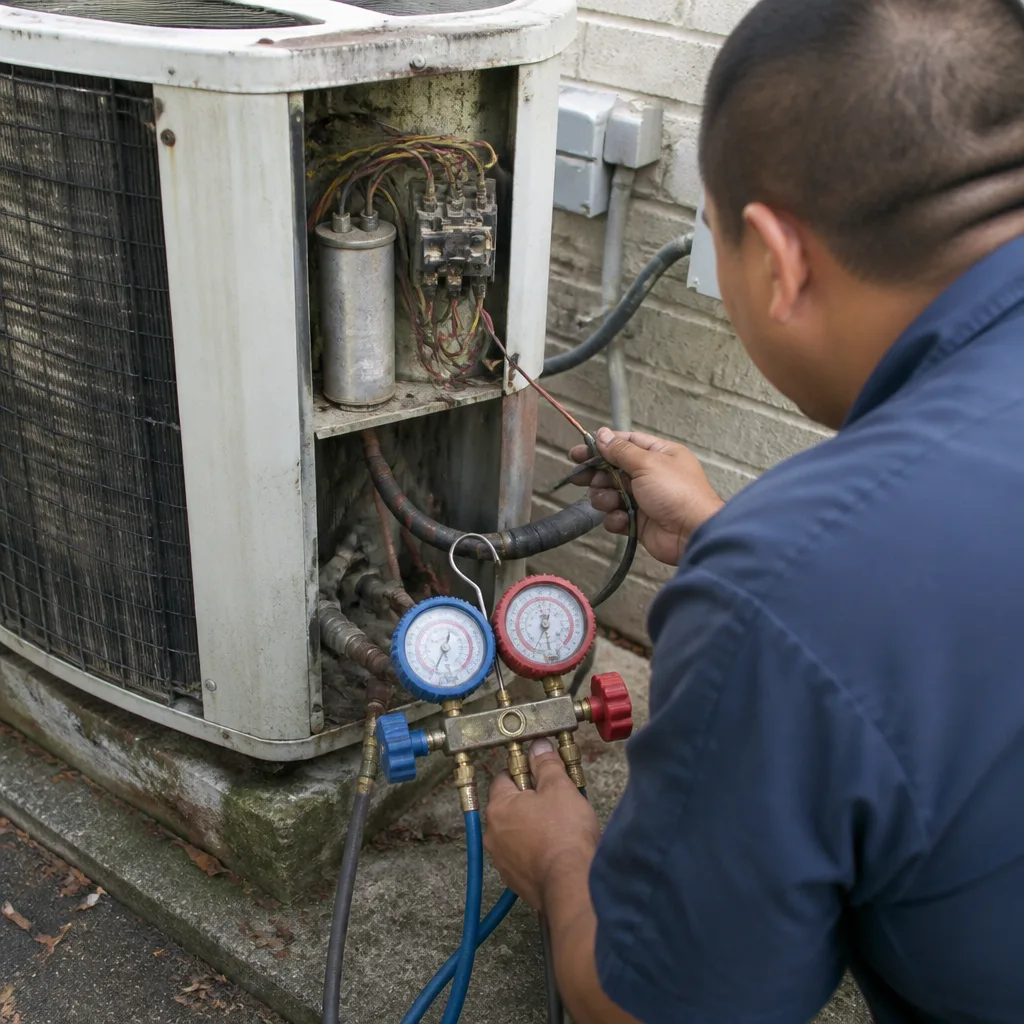 Before
 After
After Before
 After
After Before
 After
AfterWhen to Call a Professional
If you are planning an HVAC replacement, a new installation, or significant ductwork modification anywhere in San Antonio, the single most important decision you make is which contractor you hire. A good starting point is our AC Repair Maintenance Checklist for San Antonio Homeowners. Look for a company that pulls permits without being asked, shows you the permit number, schedules the inspection, and handles the entire process without you chasing paperwork.
If you have discovered unpermitted work on a home you own or are buying, do not try to navigate the retroactive process blind. A licensed contractor who knows the San Antonio Development Services Department’s process can assess the system, identify code issues before the inspector does, and guide the permit application so your first inspection has the best chance of passing.
Halden Heating and Air San Antonio offers free estimates in San Antonio for permitted HVAC replacements and for assessments of existing systems that may need retroactive permitting. You can also browse more guides & resources on our blog. Every job we do includes a written price before any work starts, and we handle the permit and inspection process end to end. Call (903) 623-6784 and we will walk you through exactly what your situation requires.
Frequently Asked Questions
Yes. A full system replacement, meaning a new condenser and new indoor coil or furnace, requires a mechanical permit from the City of San Antonio. Like-for-like part repairs on an existing system do not. When you schedule a replacement, the contractor should pull the permit before installation day. Call (903) 623-6784 if you want us to verify permit status for a job you are considering.
The City of San Antonio can issue a notice of violation requiring you to obtain a retroactive permit and pass an inspection. If the inspection reveals code violations, you must pay for corrective work. Beyond the city, unpermitted work can void your manufacturer warranty and complicate a home sale. The process is manageable, but it costs more than doing it right the first time.
A residential mechanical permit for an HVAC replacement generally costs between $65 and $120, including the initial inspection. Re-inspections after a failure cost extra. Some contractors add a small handling fee, which should be disclosed as a separate line item.
In San Antonio, homeowners can pull permits for certain work on their own primary residence, but HVAC mechanical work is typically pulled under the contractor’s license because the work must be performed by a licensed technician. If you are doing the work yourself, you would need to demonstrate compliance with licensing requirements, which is rare for HVAC. The practical answer: your licensed contractor should pull the permit.
Yes, and this is not a theoretical risk. Manufacturer warranty agreements from Trane, Lennox, Goodman, and Rheem all require installation per local code. An unpermitted install violates that clause, and manufacturers can and do deny claims when homeowners cannot produce a permit or final inspection record. A missing $80 permit can cost you a $2,500 compressor.
Plan for two to four weeks from application to final inspection, assuming the system passes. If the inspection identifies code violations, add time for corrective work and a re-inspection. Starting the process before you list your home for sale saves significant stress during escrow.
The Bottom Line
HVAC permits in San Antonio are not bureaucracy for its own sake. They are the mechanism that ensures your system was installed safely, documented properly, and covered by the warranty you paid for. The cost is under $150 in most cases. The risk of skipping it includes denied warranty claims, denied insurance coverage, city enforcement action, and a failed home sale. Check the permit portal before work starts. Confirm the inspection was finaled after work ends. Keep the records. If you inherited unpermitted work, start the retroactive process now instead of during a sale. And if you want a contractor who handles permits as standard practice on every AC installation in San Antonio and furnace repair in San Antonio, call (903) 623-6784 for a free estimate. You can also learn more about our approach on the Halden Heating and Air San Antonio home page.
Written by Andre Fuller, Owner at Halden Heating and Air San Antonio, serving San Antonio since 2004.