
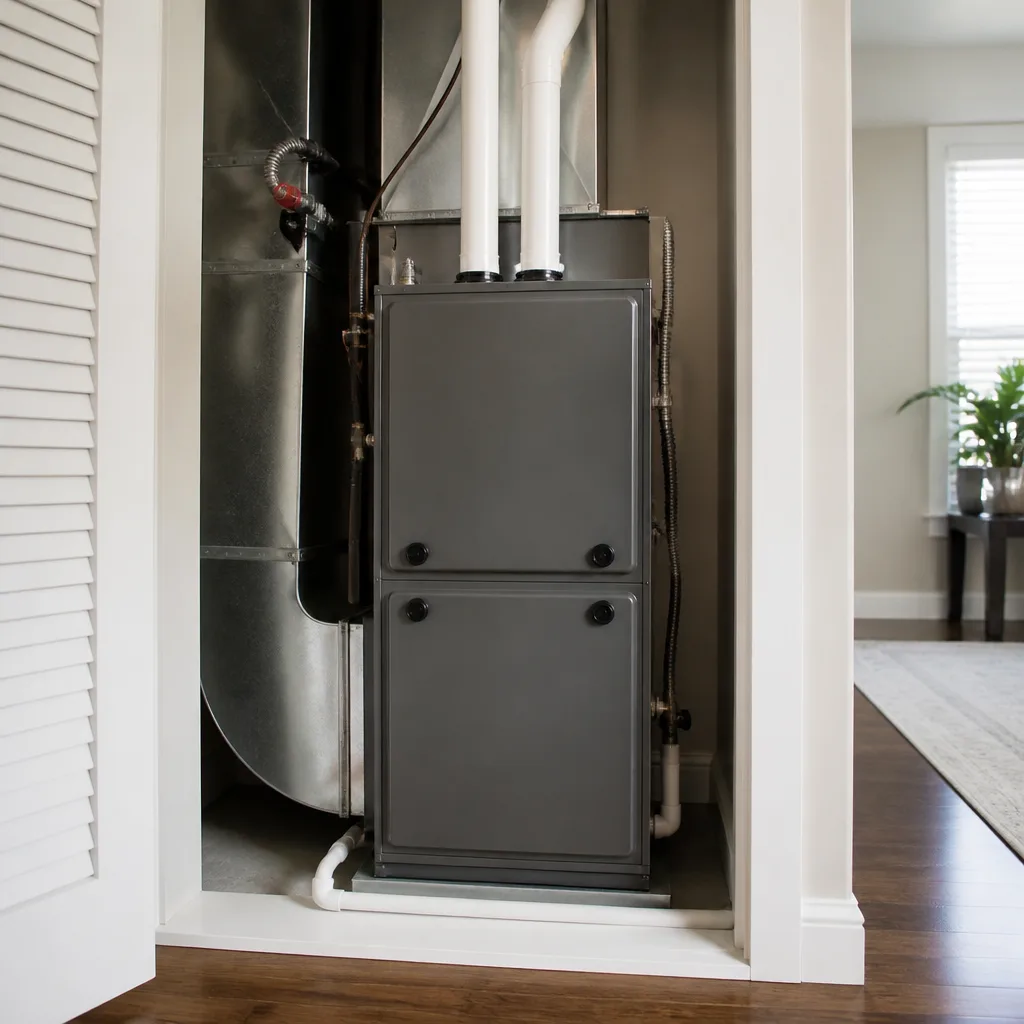
 Furnace & heating
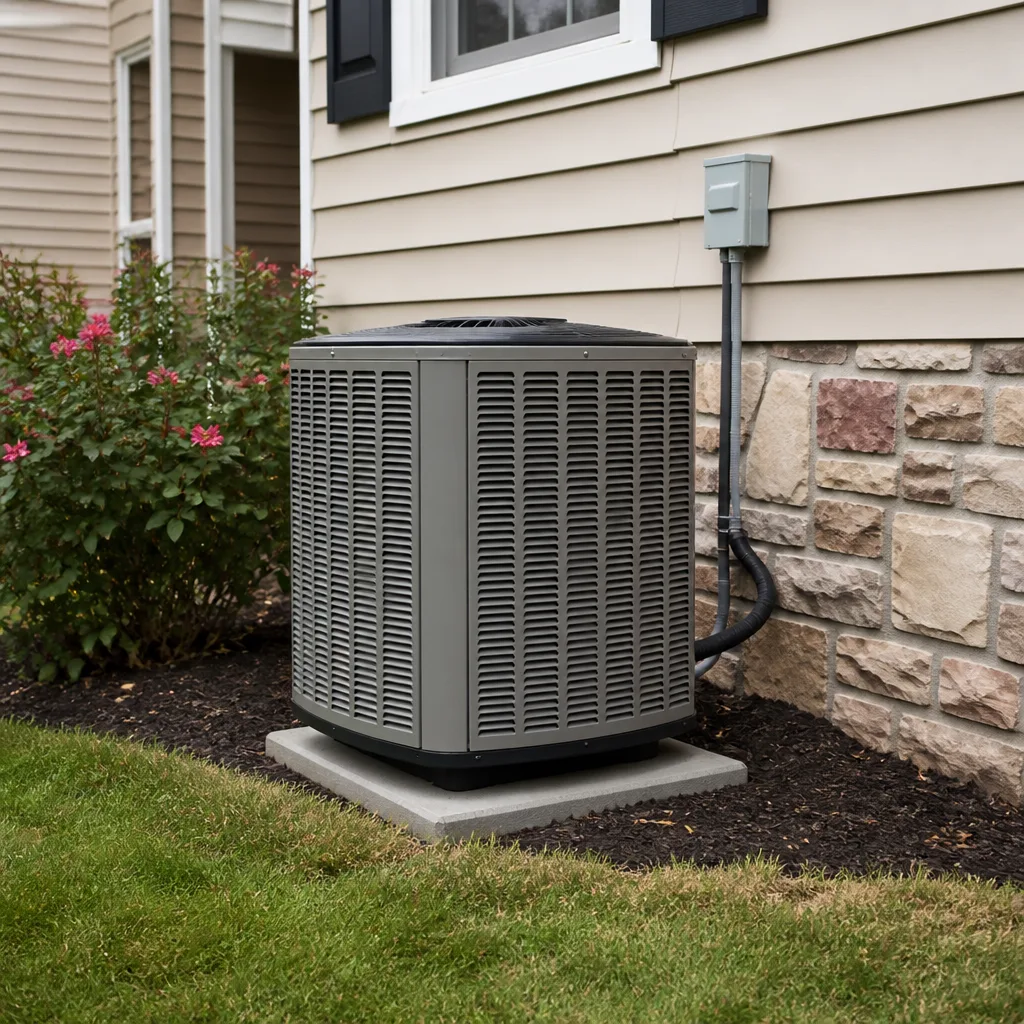 AC repair
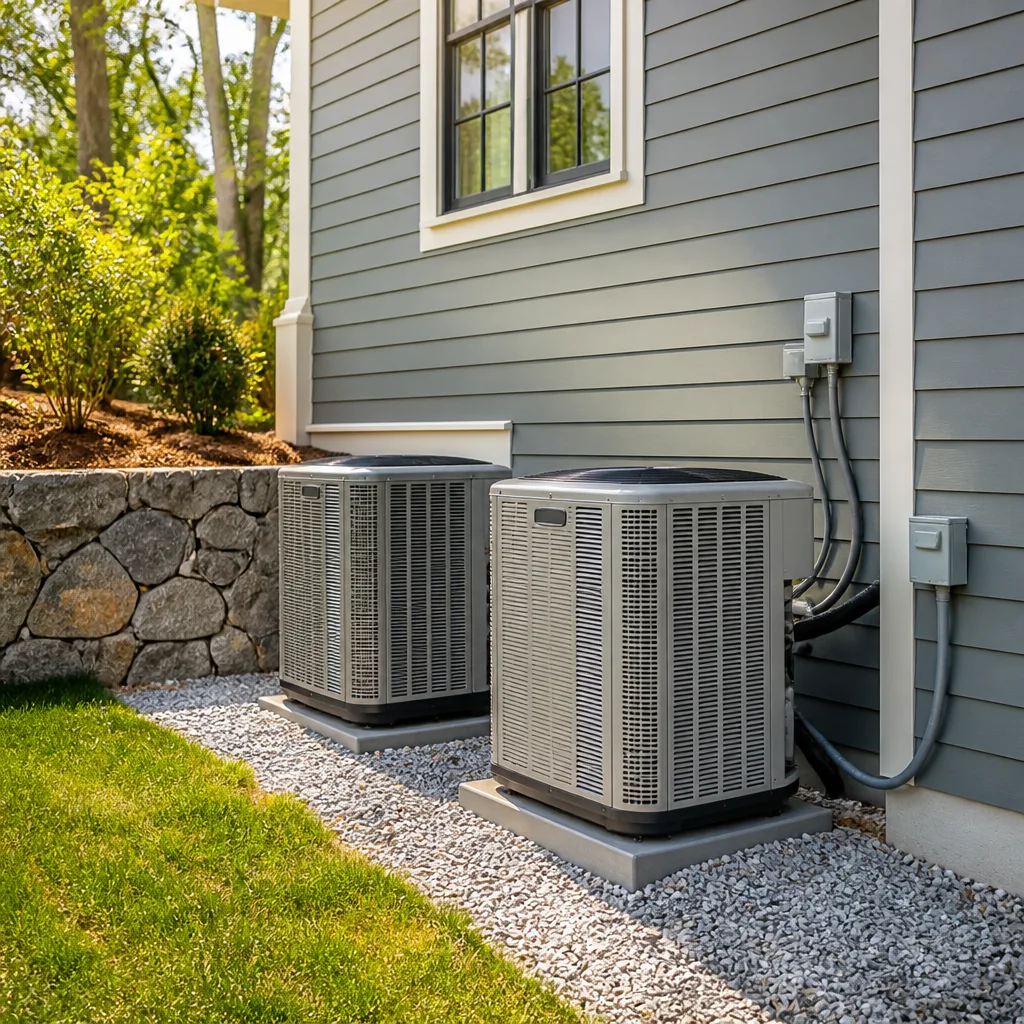 Heat pumps
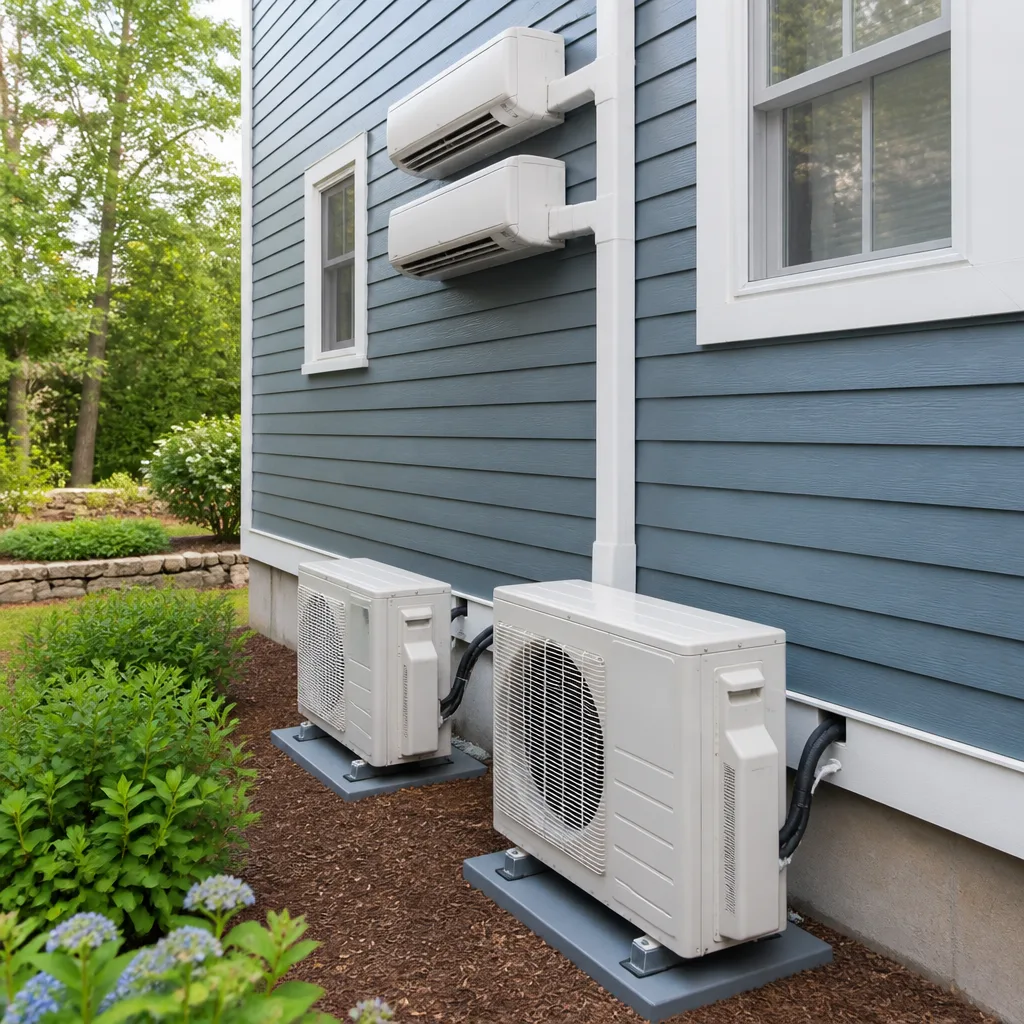 Ductless mini splits
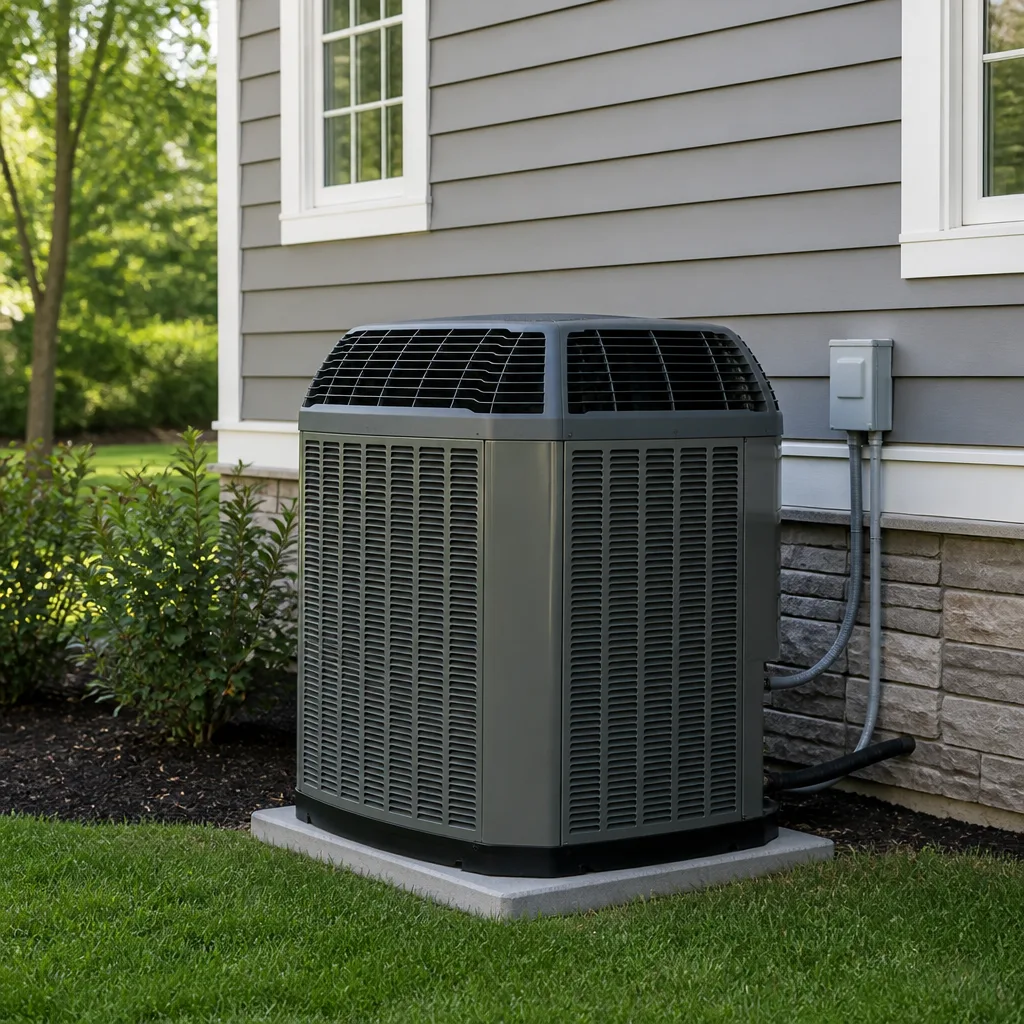 Trane
Trane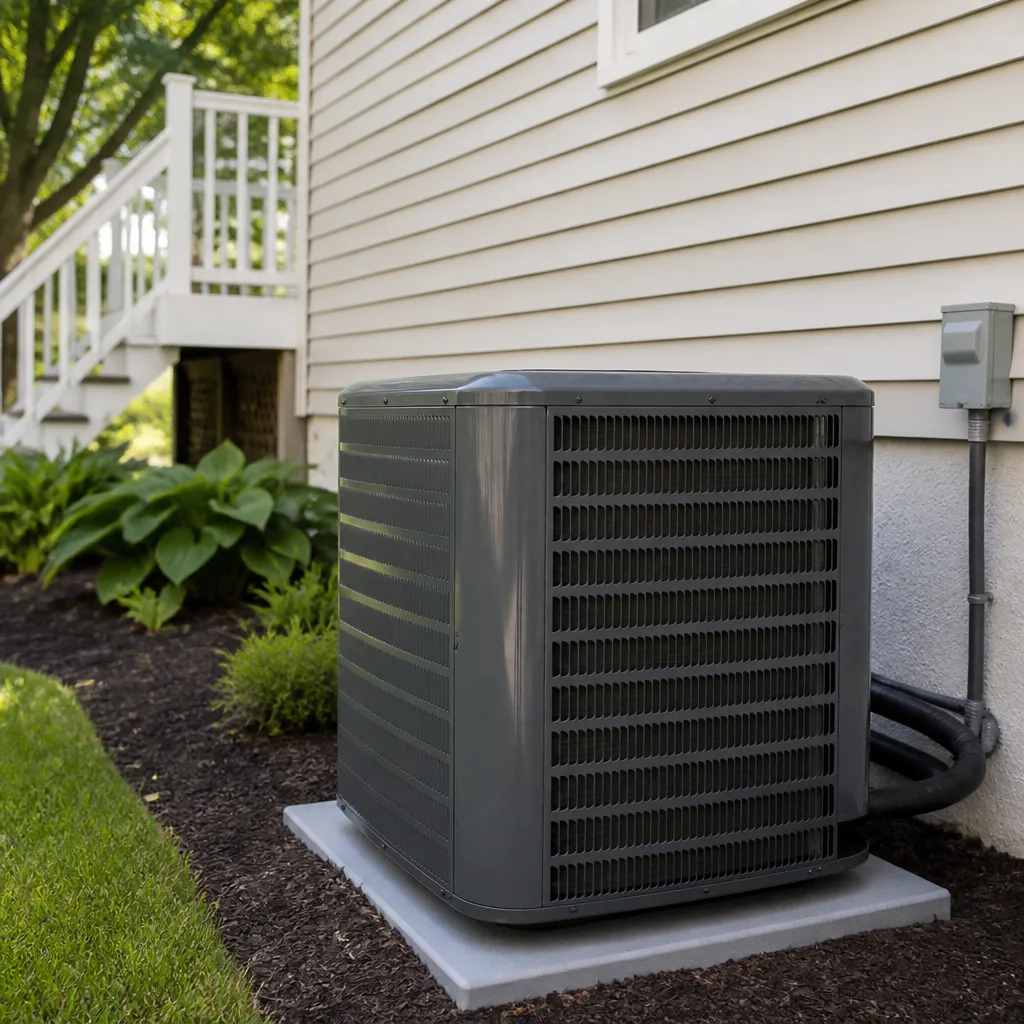 Goodman
Seasonal tune-up and full diagnostic on your Carrier, Trane, or Goodman system - readings shown to you before any repair is proposed
Diagnosis first, numbers second - you approve the repair price before a single part goes in.
Get your free estimateTrane Thermostat Installation: The San Antonio Owner’s Guide
A Trane thermostat installation in San Antonio typically runs between $180 and $450 installed, depending on whether you’re replacing a basic model or upgrading to a smart or programmable unit. We stock Trane-compatible thermostats on our service trucks and can usually complete the swap the same day we diagnose the failed part. Most homeowners discover their thermostat has failed when the system stops responding entirely, the temperature on the screen doesn’t match the actual room, or the AC short-cycles through a brutal August afternoon and the house never really cools down.
Here’s what matters: Trane systems communicate differently than budget brands, and slapping a generic thermostat on a Trane heat pump or variable-speed system causes real problems. We’ll explain what to check, what it costs, and when it’s smarter to let a tech handle it. We’re an independent service provider, not affiliated with Trane, but we’ve been installing and matching their thermostats across San Antonio for years.
Which Trane Models This Applies To
Trane thermostats fall into a few families, and the compatibility question trips up more San Antonio homeowners than any other part of the install. If you have a Trane XL-Series, XR-Series, or ComfortLink system built in the last 15 years, you may need a communicating thermostat, not a generic 4-wire model. Communicating thermostats use a proprietary data signal between the thermostat and the air handler or furnace. A standard thermostat wired to a communicating system often won’t power on at all, or it will run the system at a single fixed speed and tank your efficiency.
The quick way to tell: pop the thermostat off its base and count the wires. If you see four or fewer, a standard thermostat will usually work. If you see a bundled set with a data wire labeled “D” or a terminal marked “A/B/C/D,” you have a communicating system and need a Trane-compatible communicating thermostat like the Trane ComfortLink II 850 or 1050, or an approved aftermarket equivalent. We match the thermostat to the exact model number on your air handler or furnace, not just the brand name on the wall. That’s the difference between a thermostat that works perfectly and one that throws error codes every other week.
For Trane systems older than 15 years, the field opens up significantly. Most standard 24-volt Trane units pair fine with quality aftermarket thermostats, including smart models from Ecobee and Honeywell. But even then, we check the specific wiring configuration before we commit to a model because some older Trane heat pumps have unusual reversing valve logic that requires a specific thermostat setting to avoid running backup heat all winter and doubling your electric bill.
Styles & brands we work with
Signs Your Trane Thermostat Installation Is Failing
- Screen is blank or flickering. A dead thermostat usually means lost power from the air handler or furnace, not a dead thermostat. We check the transformer and the condensate overflow switch first, because a clogged drain line in San Antonio humidity will cut power to the thermostat before the thermostat itself ever fails.
- Room temperature doesn’t match the display. When the thermostat reads 72 but the room feels like 85, the internal temperature sensor has drifted or failed. This is common in thermostats mounted on exterior walls or near heat sources like a window that gets direct Texas afternoon sun.
- Short cycling. The system turns on for five minutes, shuts off for two, and repeats all day. A failing thermostat relay or a miscalibrated anticipator setting causes this. It wastes power and puts unnecessary strain on the compressor, which shortens its life in San Antonio’s heat.
- System won’t respond to temperature changes. You turn it down to 70 and nothing happens. The thermostat thinks it’s sending the signal, but the relay that actually completes the circuit has burned out. This failure is common after years of handling the switching load on a high-amp Trane heat pump.
- Heat pump running in the wrong mode. In winter, your Trane blows cold air, or in summer it runs the heat. This points to a thermostat that’s configured for the wrong reversing valve setting, which happens regularly when a generic thermostat was installed without checking the specific Trane configuration.
See the difference
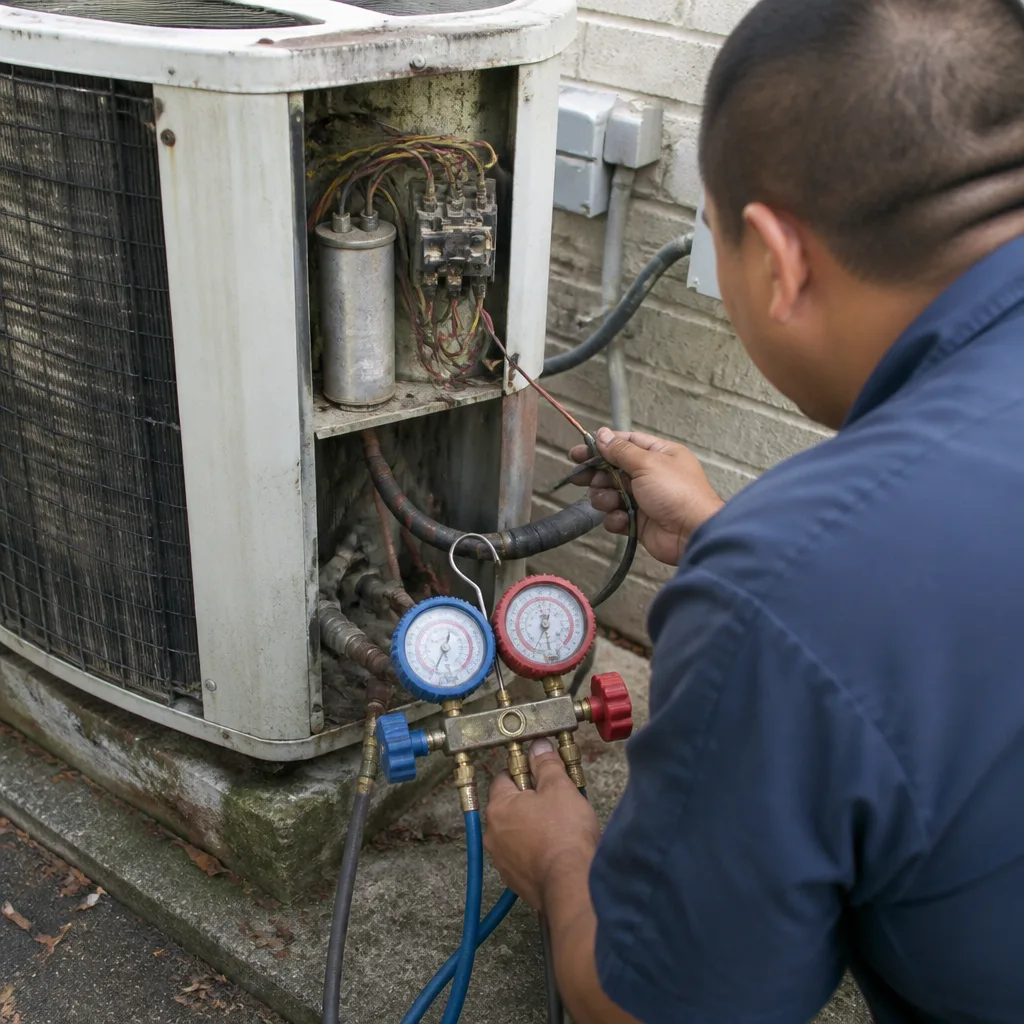 Before
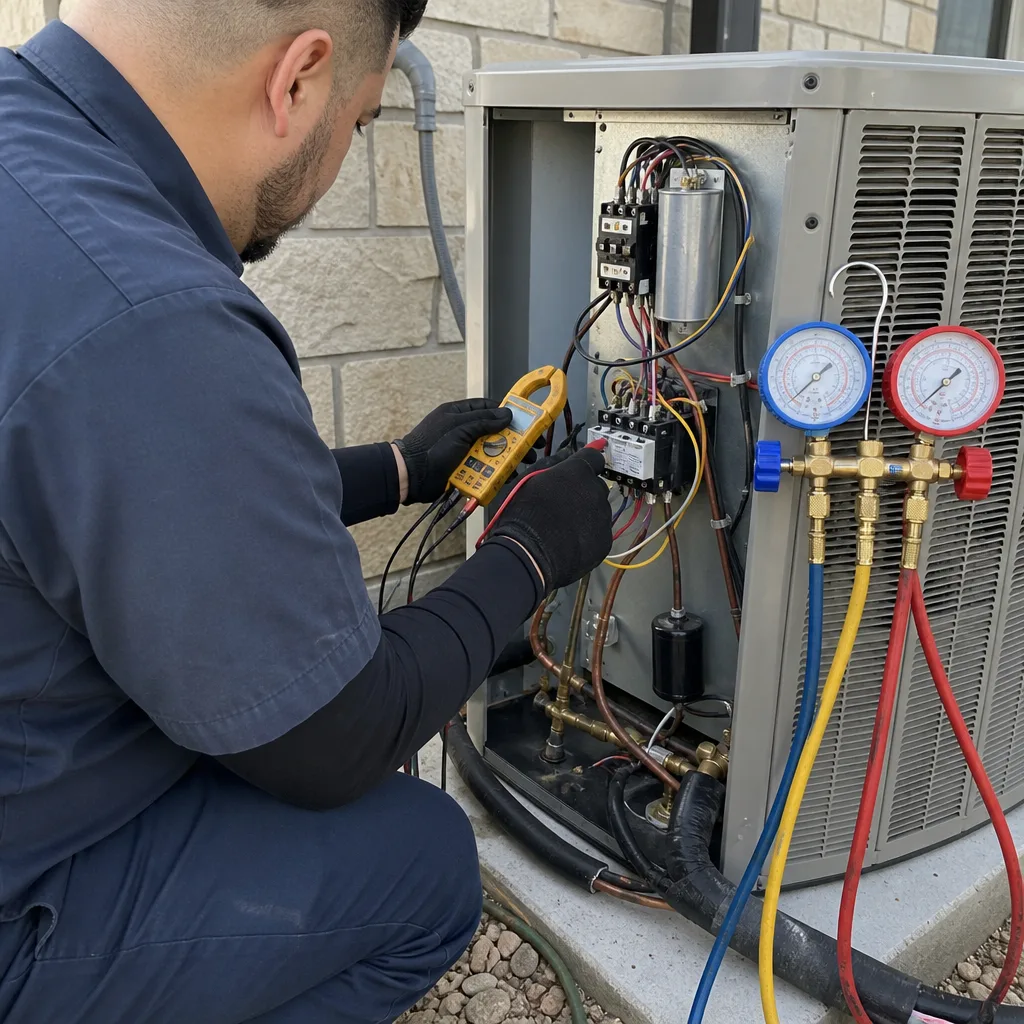 After
After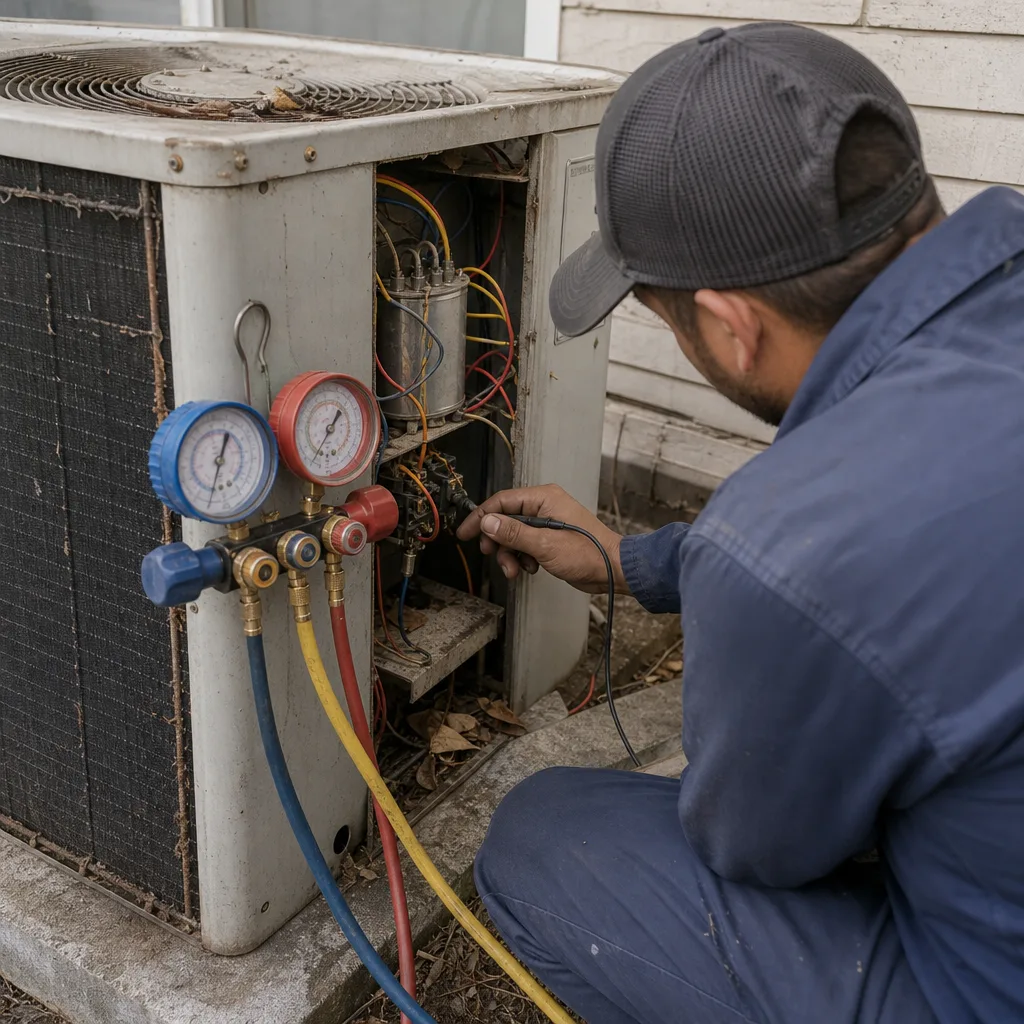 Before
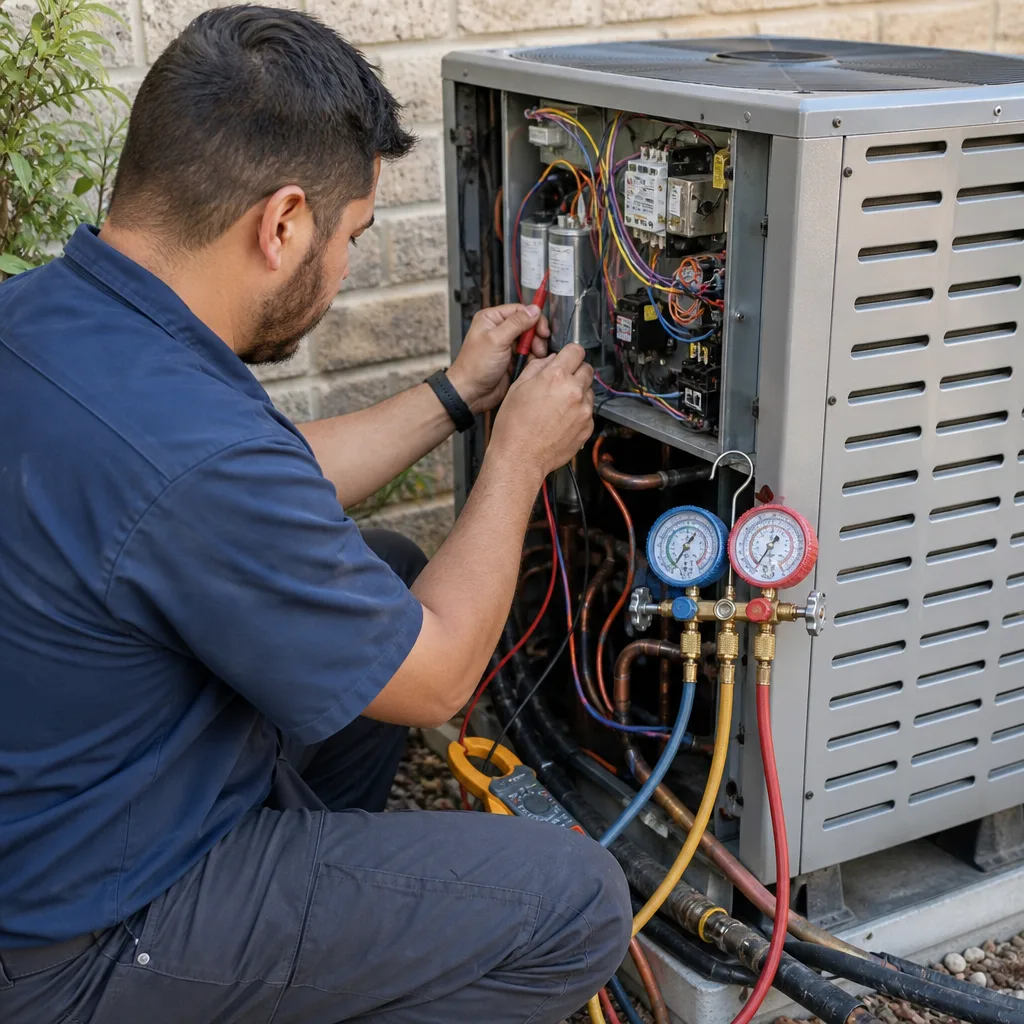 After
After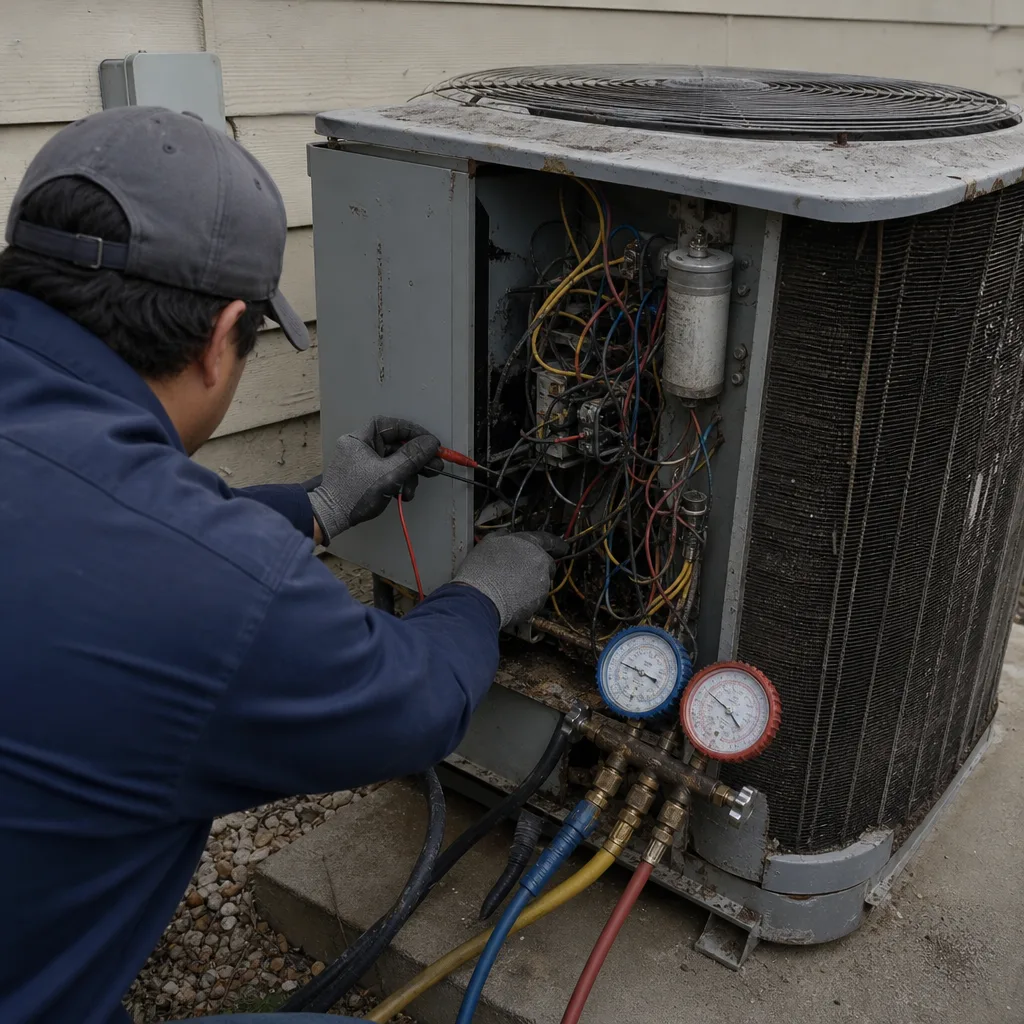 Before
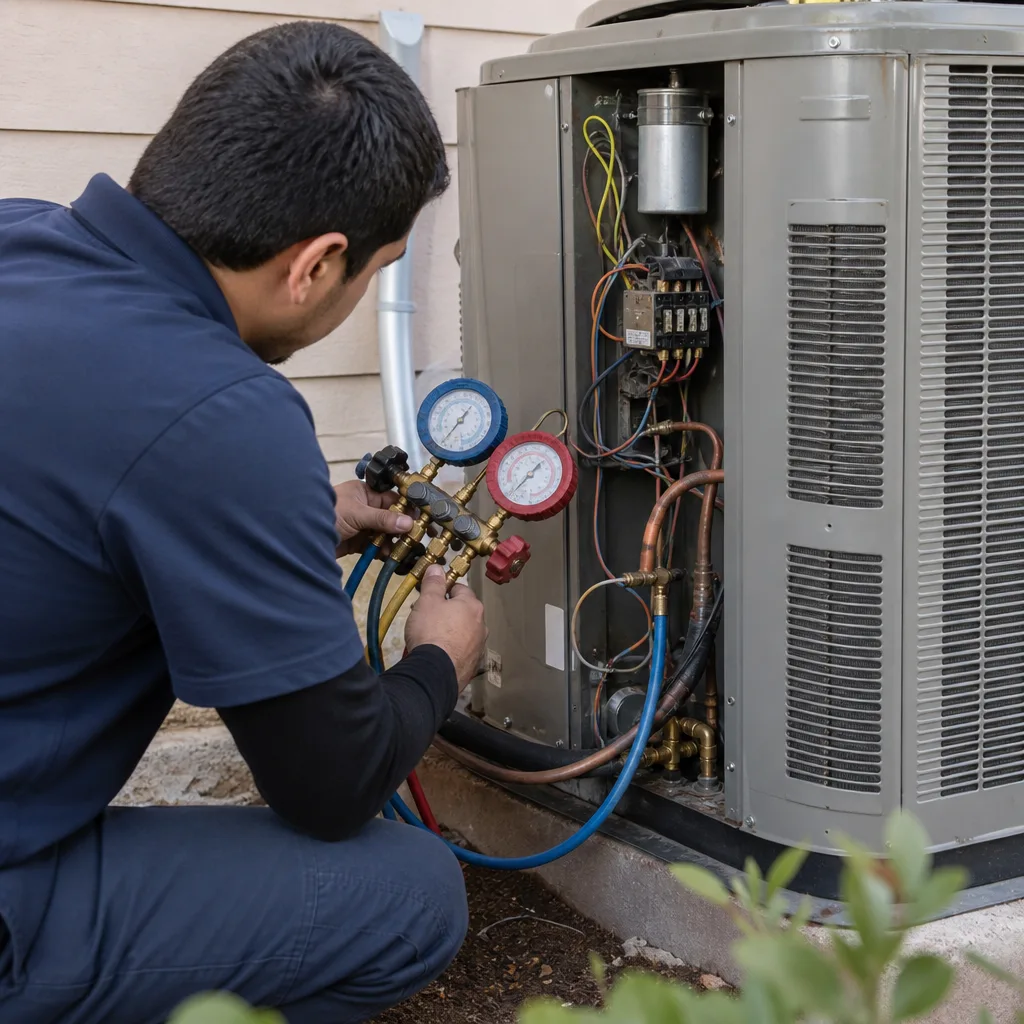 After
AfterReplacement Cost & What’s Included
A Trane thermostat installation in San Antonio runs $180 to $450 installed. The thermostat itself is $80 to $250 for most models we install, and labor runs $100 to $200 depending on the wiring work involved and whether we’re upgrading from a basic to a communicating or smart thermostat.
Here’s the breakdown of what you’re paying for:
- Basic digital thermostat: $80 – $120 for the part, total installed price $180 – $280. Works for most standard 24-volt Trane systems.
- Programmable thermostat: $120 – $180 for the part, total installed price $220 – $380. Includes scheduling so you’re not cooling an empty house during San Antonio work hours.
- Smart thermostat (Wi-Fi enabled): $200 – $300 for the part, total installed price $300 – $450. The Ecobee and Honeywell models we stock play nicely with most Trane systems and give you phone control, which matters when you’re coming home to a hot house after a weekend trip.
- Trane communicating thermostat: For Trane ComfortLink systems, these range from $250 – $350 for the part, with install bringing the total to $350 – $500. This is not optional on communicating systems; it’s the only way the system functions correctly.
Every install includes a written price before we touch a single wire, a written guarantee on the work, and a free second visit if the thermostat fails within the coverage window. We don’t charge overtime for evening or weekend calls, and we’re not going to upsell you to a thermostat you don’t need. Andre Fuller’s rule is simple: straight answer, written price, no runaround.
DIY or Call Us?
A thermostat replacement is one of the few HVAC jobs a homeowner can safely attempt, with a real caveat. If you have a standard 4-wire Trane system and you’re comfortable turning off the breaker and labeling wires before you disconnect them, a basic swap is straightforward. Label every wire with the terminal letter before removing anything, kill power at the breaker, and take a photo of the original wiring first. The risk is low if you’re methodical.
Where DIY goes wrong in San Antonio: trying to put a standard thermostat on a communicating Trane system. We get calls from homeowners who bought a Nest or Ecobee, wired it up, and now the system runs constantly or throws error codes. On a communicating system, the wrong thermostat can prevent the variable-speed blower and compressor from ever operating at the right levels. That’s not just a comfort problem; it’s a repair bill waiting to happen. If you see anything other than standard R, C, W, Y, G, O/B terminals on your current thermostat, call us at (903) 623-6784 before you buy anything. We’ll tell you over the phone whether your system needs a communicating thermostat and what your options are.
FAQs
A Trane thermostat typically lasts 10 to 15 years, though San Antonio’s heat and humidity can shorten that to 8 to 10 years for thermostats mounted on exterior walls or in direct sunlight. The relay contacts wear out first, followed by the temperature sensor. If your thermostat is older than 10 years and showing intermittent problems, replacement usually makes more sense than continued troubleshooting. Call us for a straight answer on whether yours is worth saving.
In most cases, no. The internal relays and sensors on modern thermostats are sealed components that can’t be economically repaired. If the issue is wiring, a loose connection, or a configuration setting, we can fix that without replacing the thermostat. But if the thermostat’s internal components have failed, replacement is the only reliable fix, and it’s typically cheaper than labor hours spent trying to revive an old unit.
A standard Trane thermostat replacement takes 30 to 60 minutes from arrival to testing. Communicating thermostat installs take a bit longer, usually 60 to 90 minutes, because we verify communication between the thermostat, air handler, and outdoor unit. We’ll give you a live arrival time when you book, so you’re not waiting around through a four-hour window.
Yes. Our San Antonio trucks carry basic digital, programmable, smart, and Trane communicating thermostats so we can complete most thermostat installations the same day. If your system needs a specific model we don’t have on hand, we can usually source it same-day from local supply houses in the San Antonio area. We’ll tell you upfront before we start the job.
If your Trane thermostat has failed or you’re ready to upgrade to a model that actually makes sense for your system, call Halden Heating and Air San Antonio at (903) 623-6784. We answer live, 24/7, and we’ll give you a written price before any work begins. Book online, get a live arrival time, and track your tech to the door.
Written by Andre Fuller, Owner, Halden Heating and Air San Antonio at Halden Heating and Air San Antonio, serving San Antonio and nearby areas.