
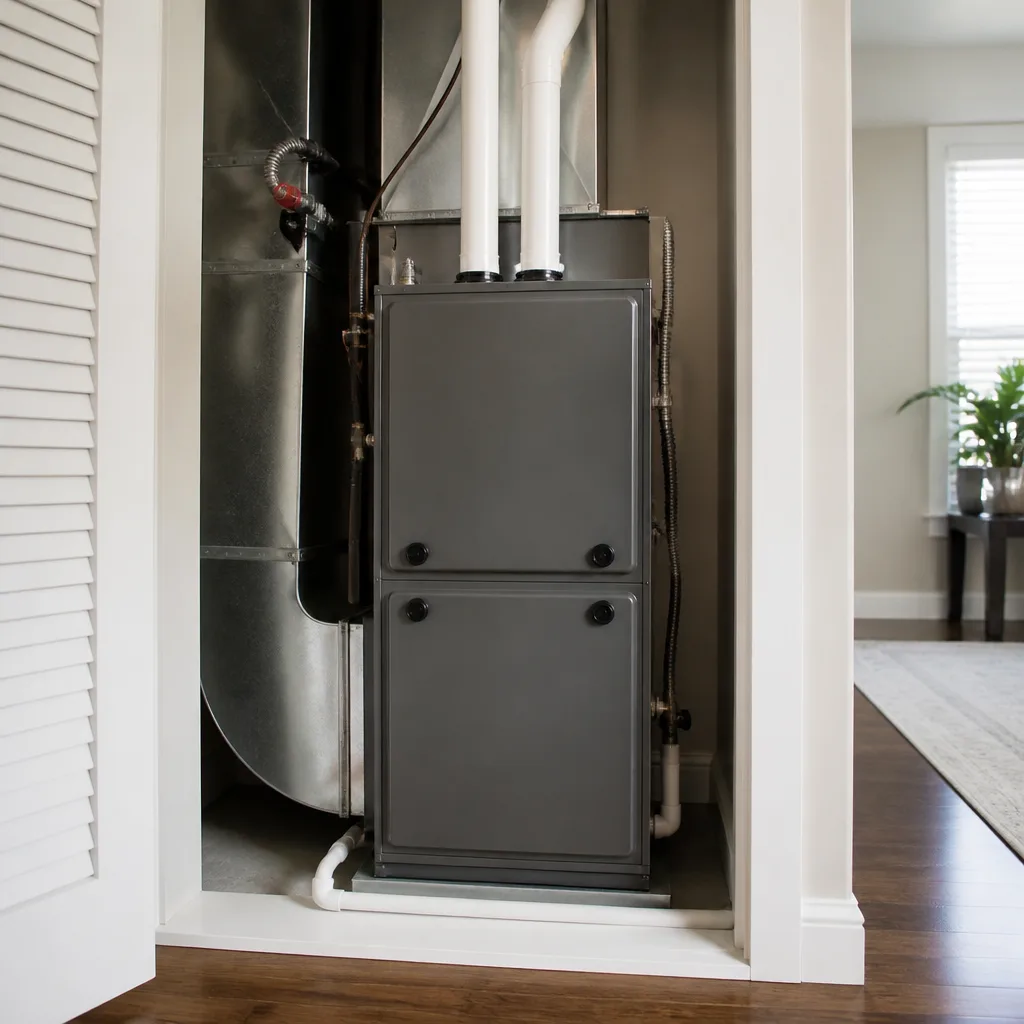
 Furnace & heating
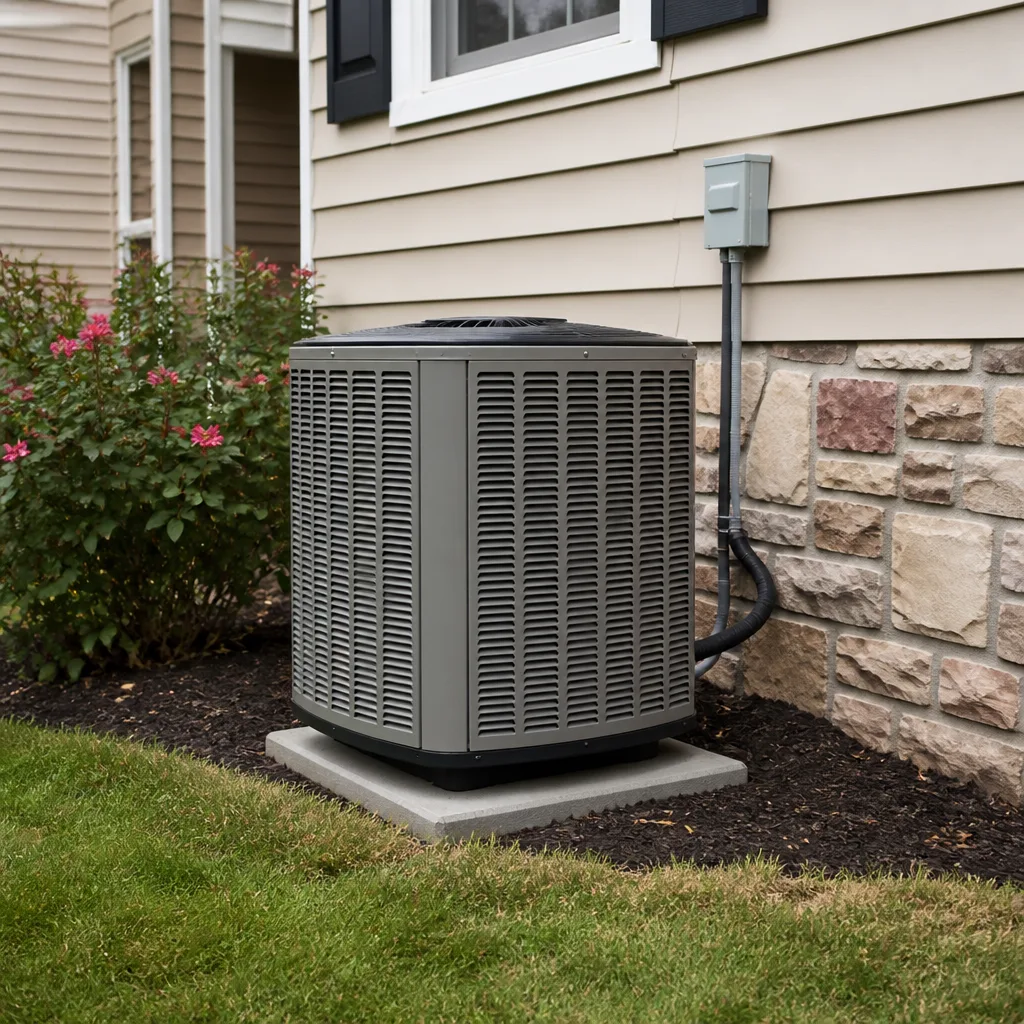 AC repair
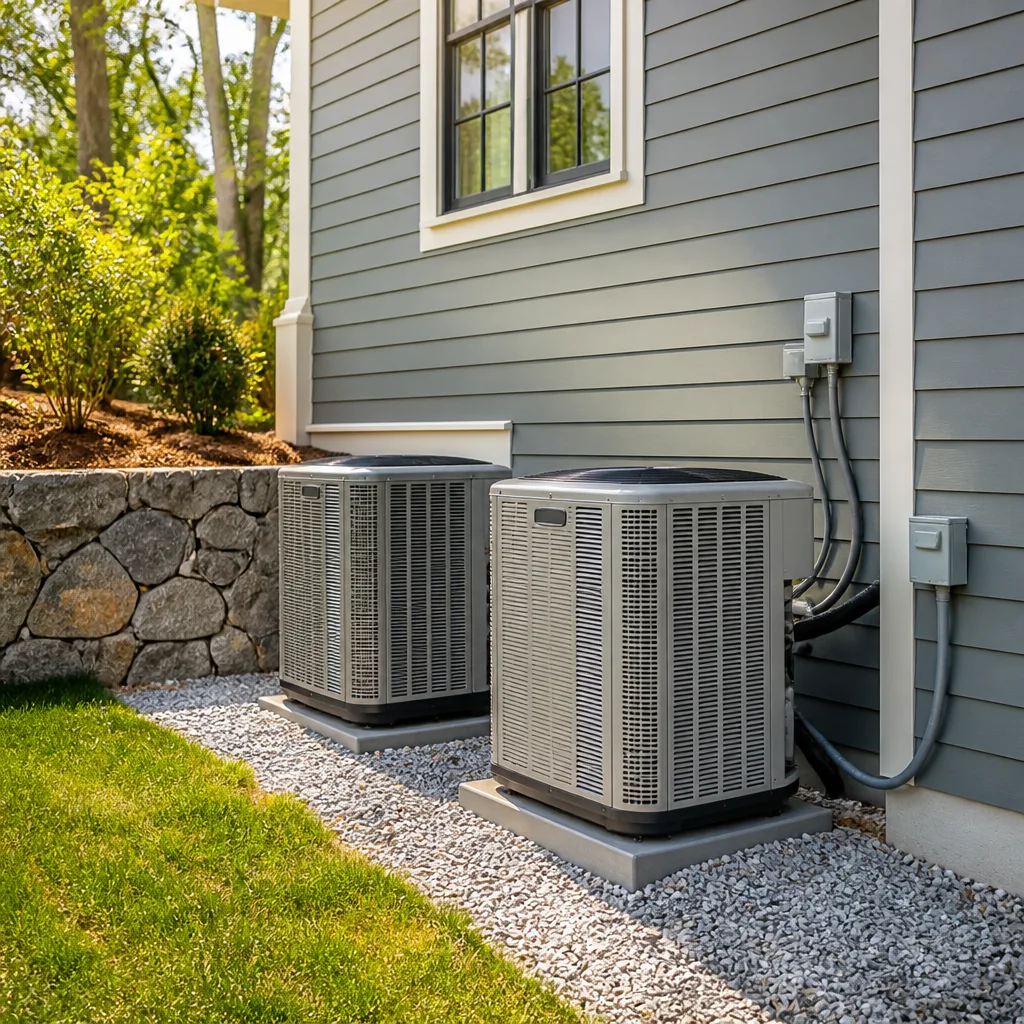 Heat pumps
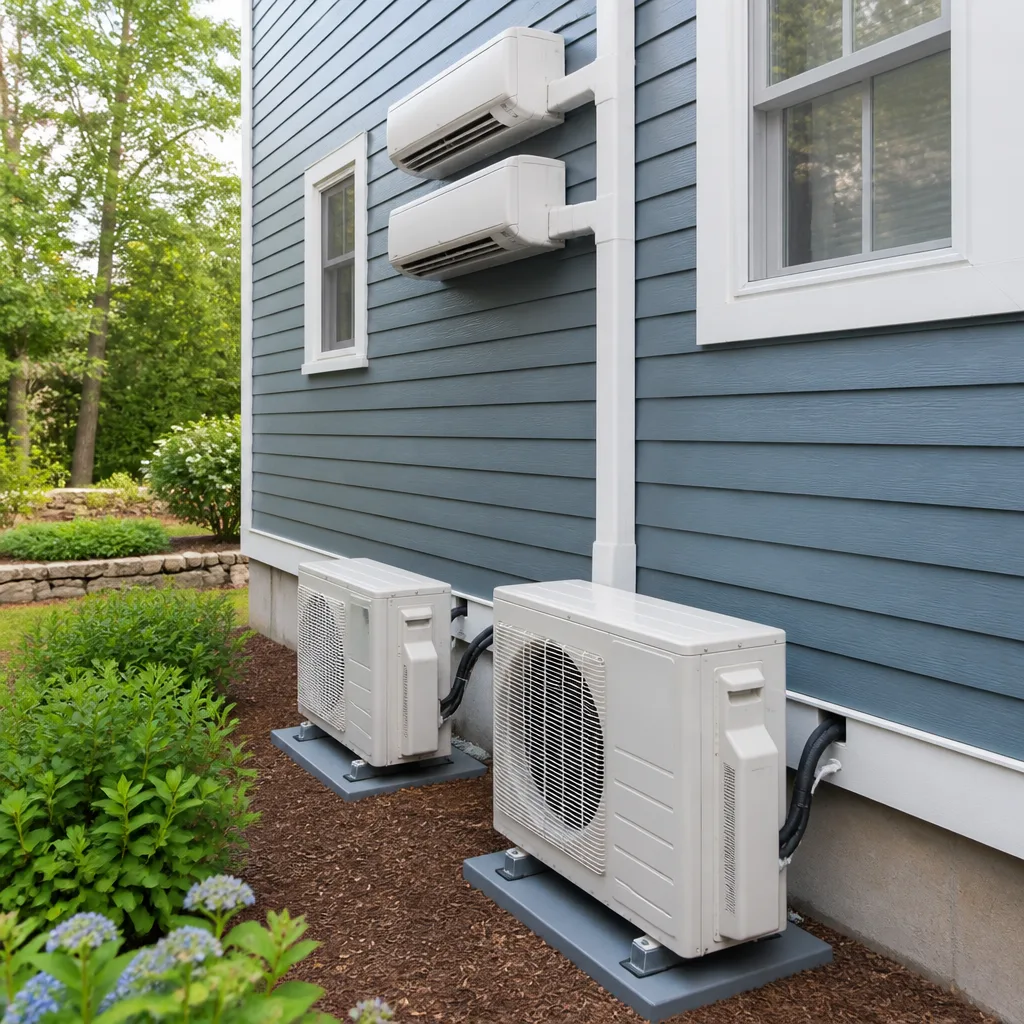 Ductless mini splits
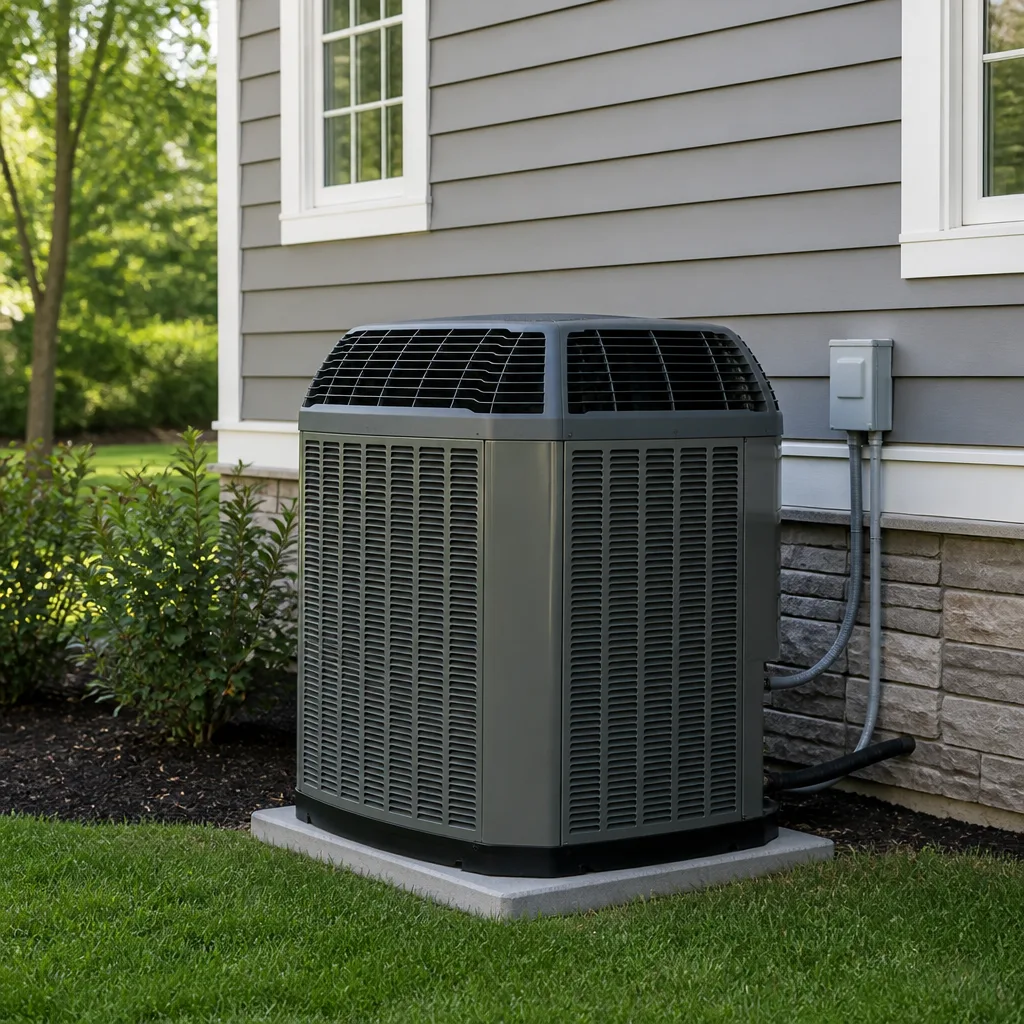 Trane
Trane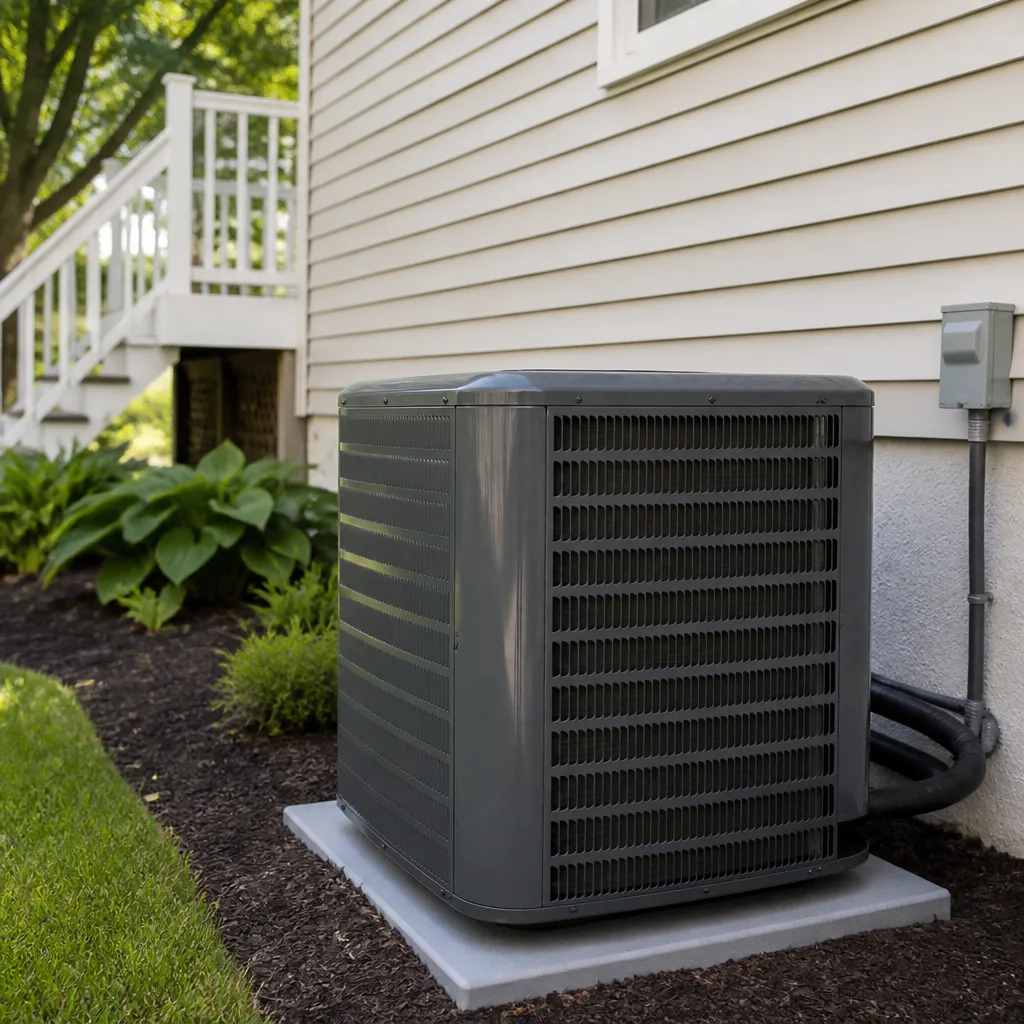 Goodman
Seasonal tune-up and full diagnostic on your Carrier, Trane, or Goodman system - readings shown to you before any repair is proposed
Diagnosis first, numbers second - you approve the repair price before a single part goes in.
Get your free estimateAmerican Standard Capacitor Replacement: The San Antonio Owner’s Guide
We stock and install American Standard-compatible capacitor replacements across San Antonio, with most swaps running $150 – $300 installed including the part, labor, and a written guarantee. Same-day service is available in most neighborhoods, and our trucks carry common American Standard capacitor sizes so there’s no multi-day wait. The usual way homeowners find out: the outdoor unit hums but the fan won’t spin, or the compressor clicks and gives up. In a San Antonio summer, that’s not a minor annoyance. It’s the start of a very warm afternoon.
Which American Standard Models This Applies To
American Standard has used capacitors across most of its residential AC and heat pump lines for decades – the Silver, Gold, and Platinum series all rely on them, as do older Allegiance and Heritage models. The part itself is a metal cylinder, typically 1.5 to 3 inches in diameter, mounted inside the outdoor condenser unit or sometimes in the indoor air handler blower compartment. It stores and releases electrical charge to give the compressor and fan motors the jolt they need to start turning.
Here’s the compatibility gotcha most people don’t know: the capacitor’s rating is printed directly on the side in microfarads (μF), usually something like 35/5 μF or 45/5 μF, plus a voltage rating like 370V or 440V. That number, not the model number of your AC, is what actually matters for matching. Two different American Standard units can use the same capacitor, and two identical units can use different ones depending on when they were built. The label tells the truth. If it’s faded or illegible, our techs measure the old one with a meter that reads actual capacitance, not just what the label claims.
We’re an independent service provider, not an American Standard dealer or affiliate. What that means for you: we install quality capacitors that meet or exceed the original spec, including OEM-equivalent and premium aftermarket options. For American Standard specifically, we lean toward AmRad Turbo200 or Titan HD universal capacitors on older units because they handle San Antonio heat cycles better than budget generics. On newer units under warranty, we recommend OEM. We’ll show you both options and the price difference before anything gets ordered.
Styles & brands we work with
Signs Your American Standard Capacitor Replacement Is Failing
- The outdoor unit hums but the fan doesn’t spin. The capacitor can’t deliver the starting torque the fan motor needs. You might hear a faint electrical buzz for a few seconds, then silence. This is the single most common capacitor failure symptom we see in San Antonio.
- The AC blows warm air even though the indoor blower is running. The compressor isn’t starting because the capacitor can’t give it that initial kick. The indoor fan runs fine, so air moves, but it never gets cold.
- The system takes multiple tries to start, or the lights dim briefly when it kicks on. A weak capacitor makes the compressor draw more current than normal while it struggles to start. You may hear a clicking sound as the system attempts to cycle.
- The unit runs for a few minutes, shuts off, and tries again. This short-cycling pattern often points to a capacitor that’s degraded to the point where it can start the compressor but can’t keep it running consistently under load.
- You see a bulging top or oily residue on the capacitor itself. Capacitors fail physically when internal pressure builds. A swollen top, a split seam, or a small oil leak means the dielectric material inside has broken down. There’s no fixing that. It’s a swap.
One thing to know about Texas heat: a capacitor that’s weak but still working in October will often fail completely by July. Heat is the enemy of capacitor internals. In San Antonio, where outdoor units routinely sit in 100+ degree ambient temperatures, we see capacitors fail years earlier than their rated lifespan.
Replacement Cost & What’s Included
For American Standard systems in San Antonio, a capacitor replacement typically runs $150 – $300 installed. Here’s the breakdown:
- Standard single or dual capacitor (OEM-equivalent): $150 – $220 installed
- Premium universal capacitor (AmRad/Titan, 5-year rating): $220 – $300 installed
- Capacitor plus hard start kit (for older compressors): Add $80 – $150
What drives the range is part selection and whether it’s a single, dual, or turbo capacitor. Every replacement includes the part, the service call, installation, a full system test after the swap, and our written repair guarantee. You’ll see the exact price in writing before we touch a single tool. That’s how Halden Heating and Air has operated since Andre Fuller founded the company in 2004: straight answer, written price, no runaround.
See the difference
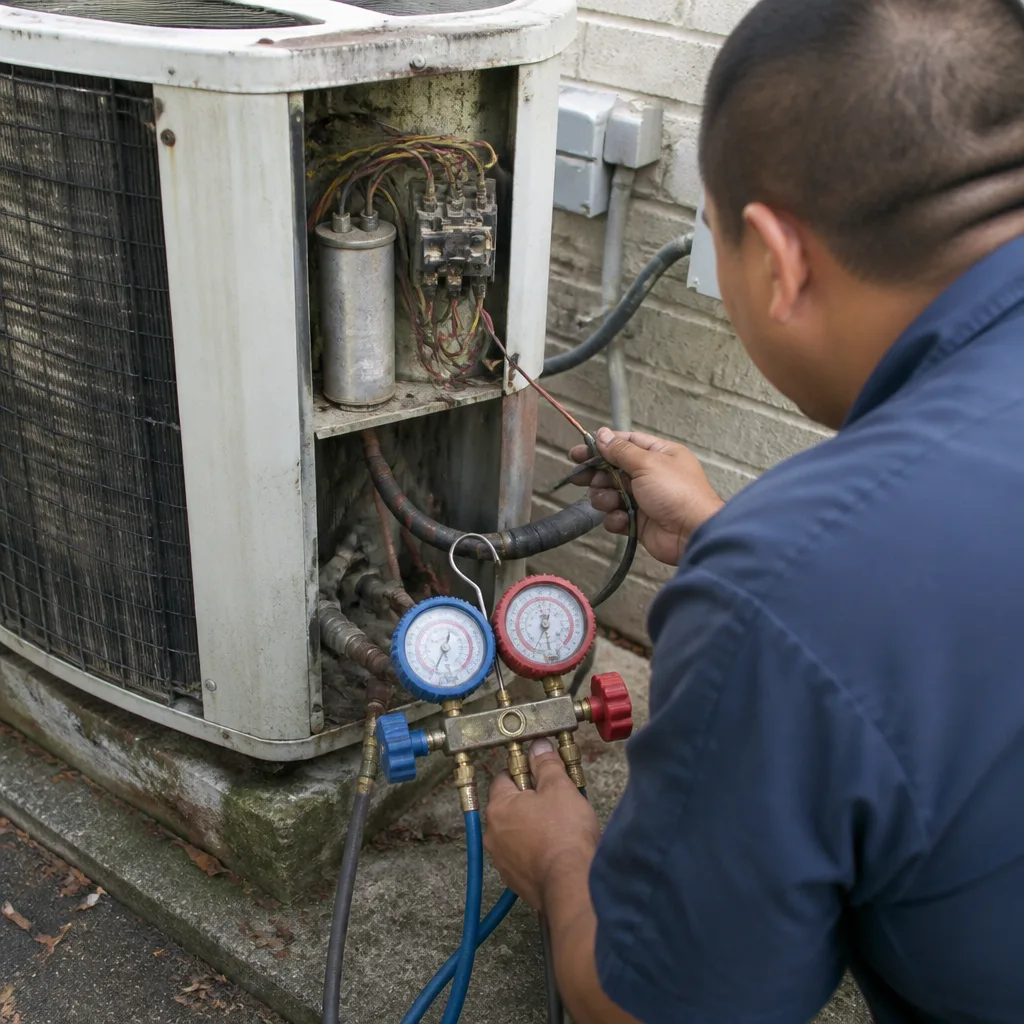 Before
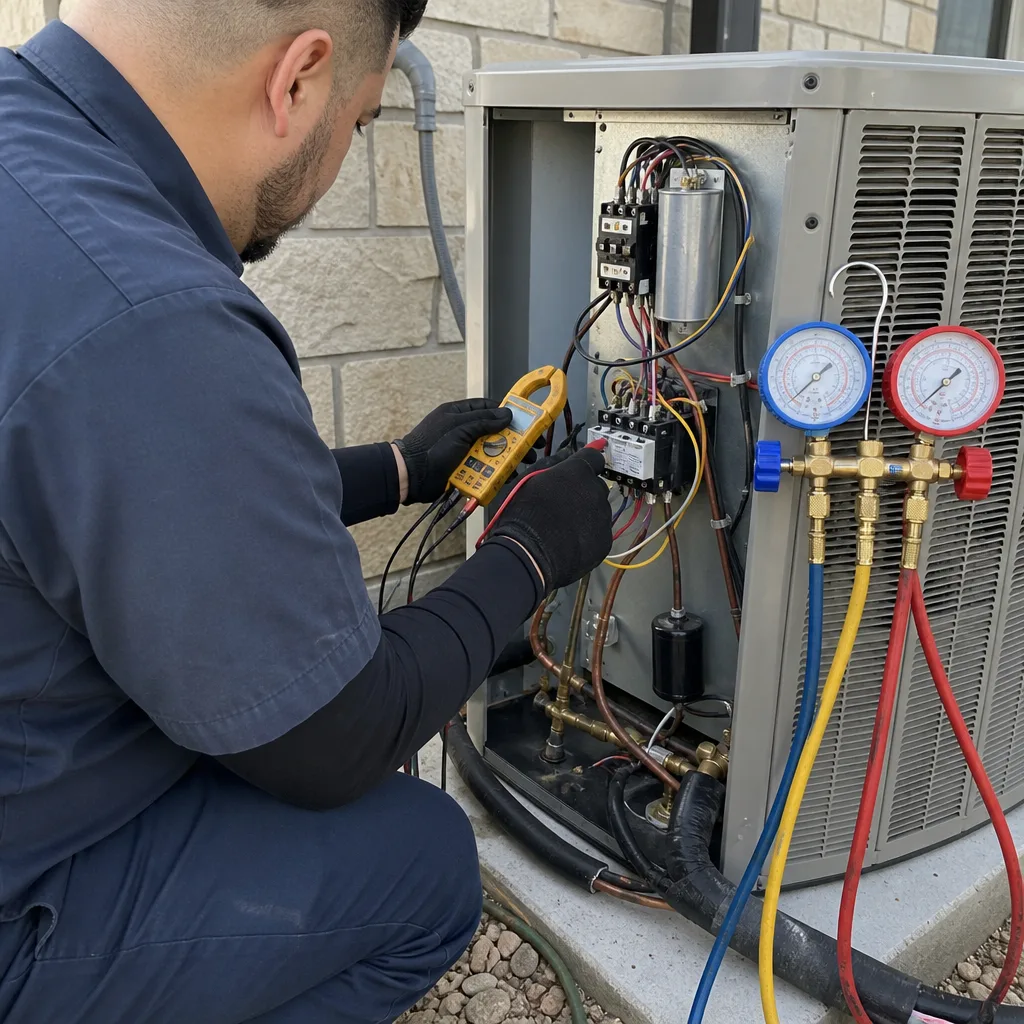 After
After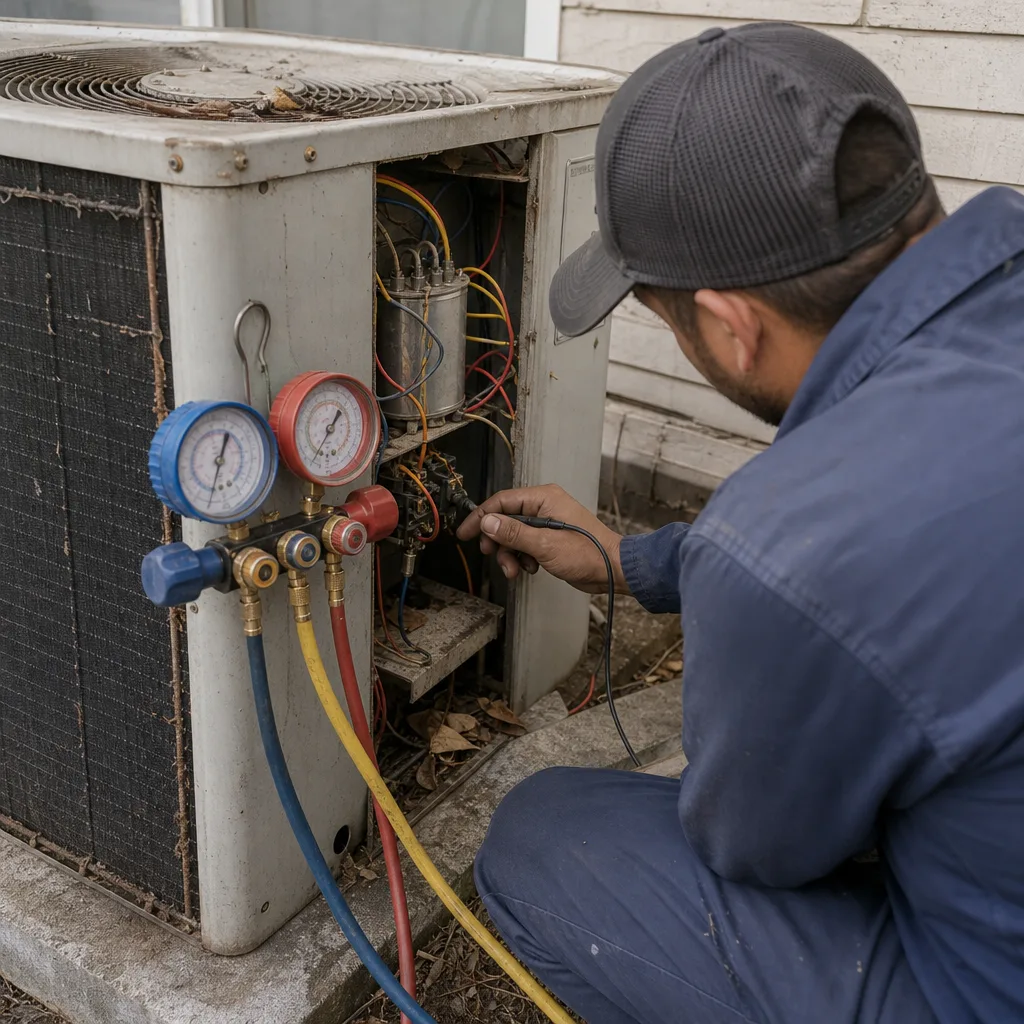 Before
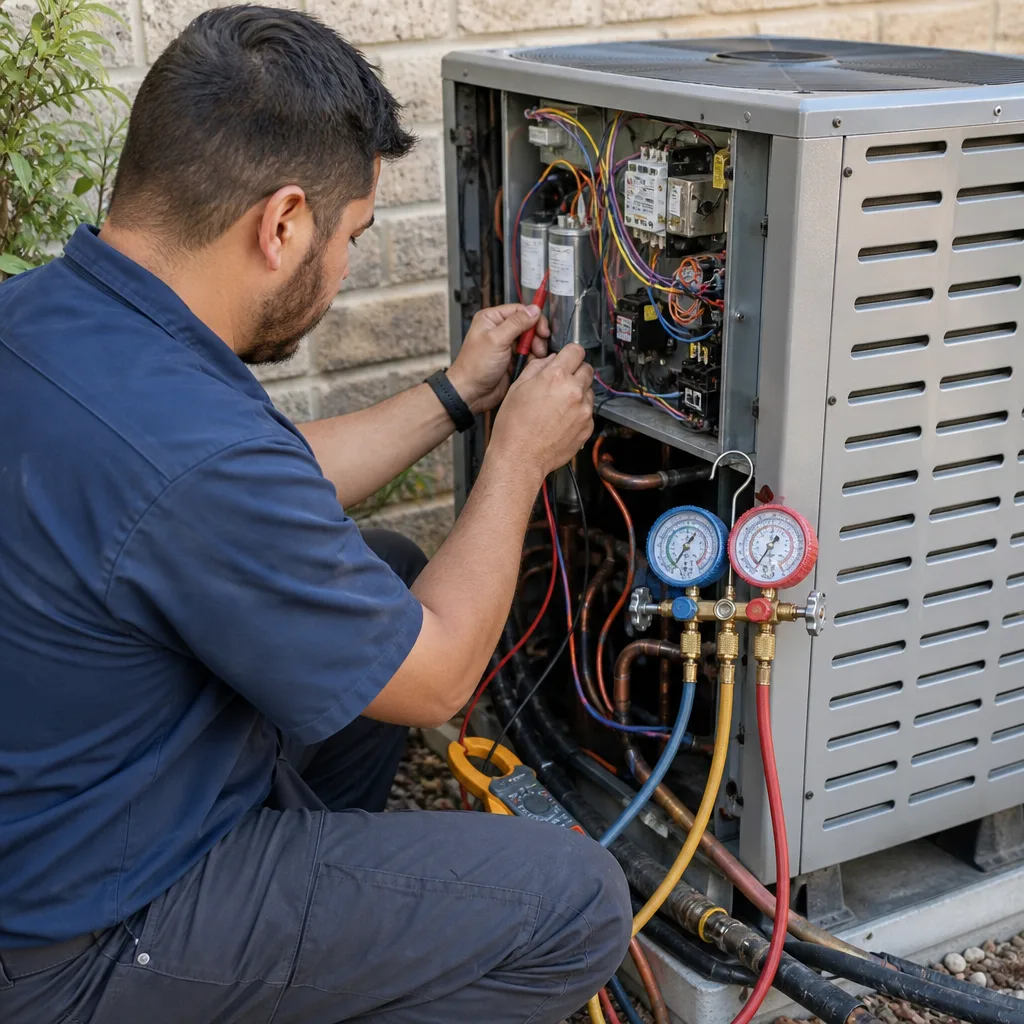 After
After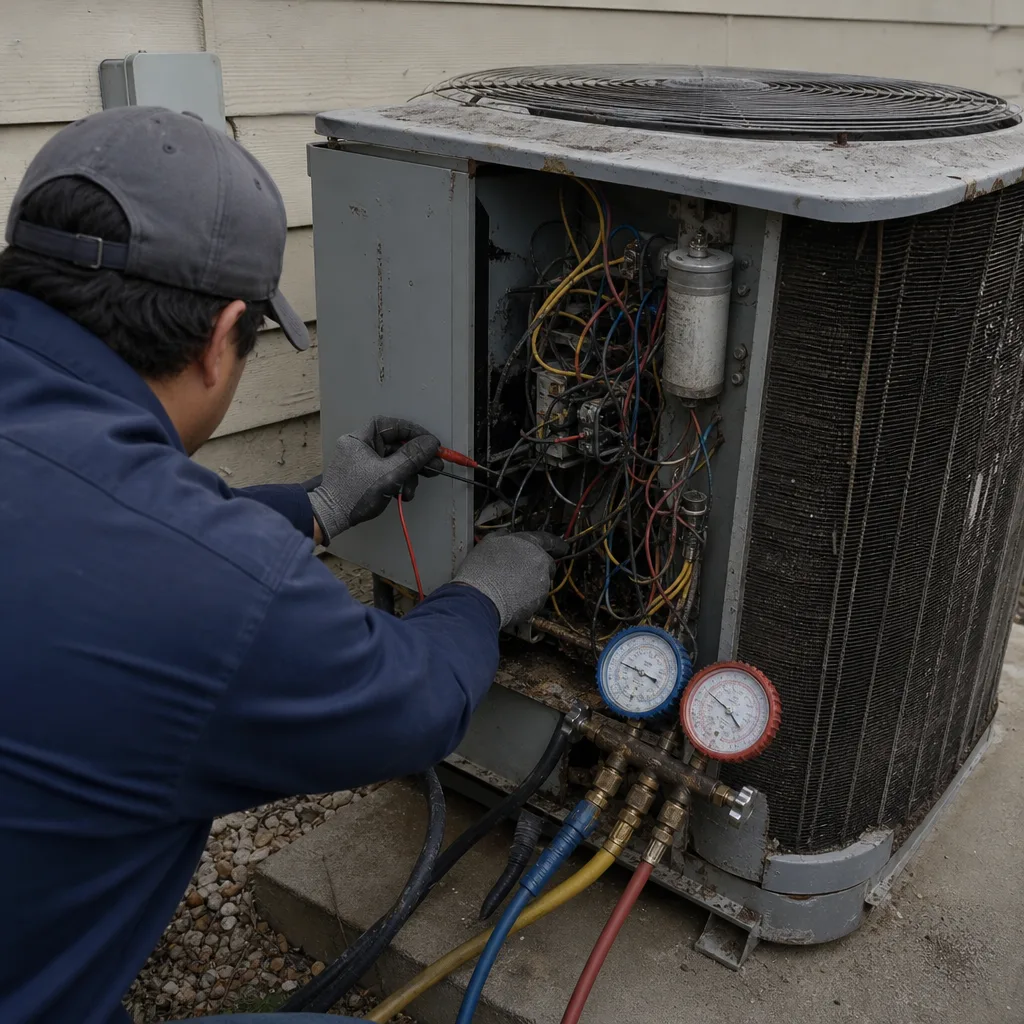 Before
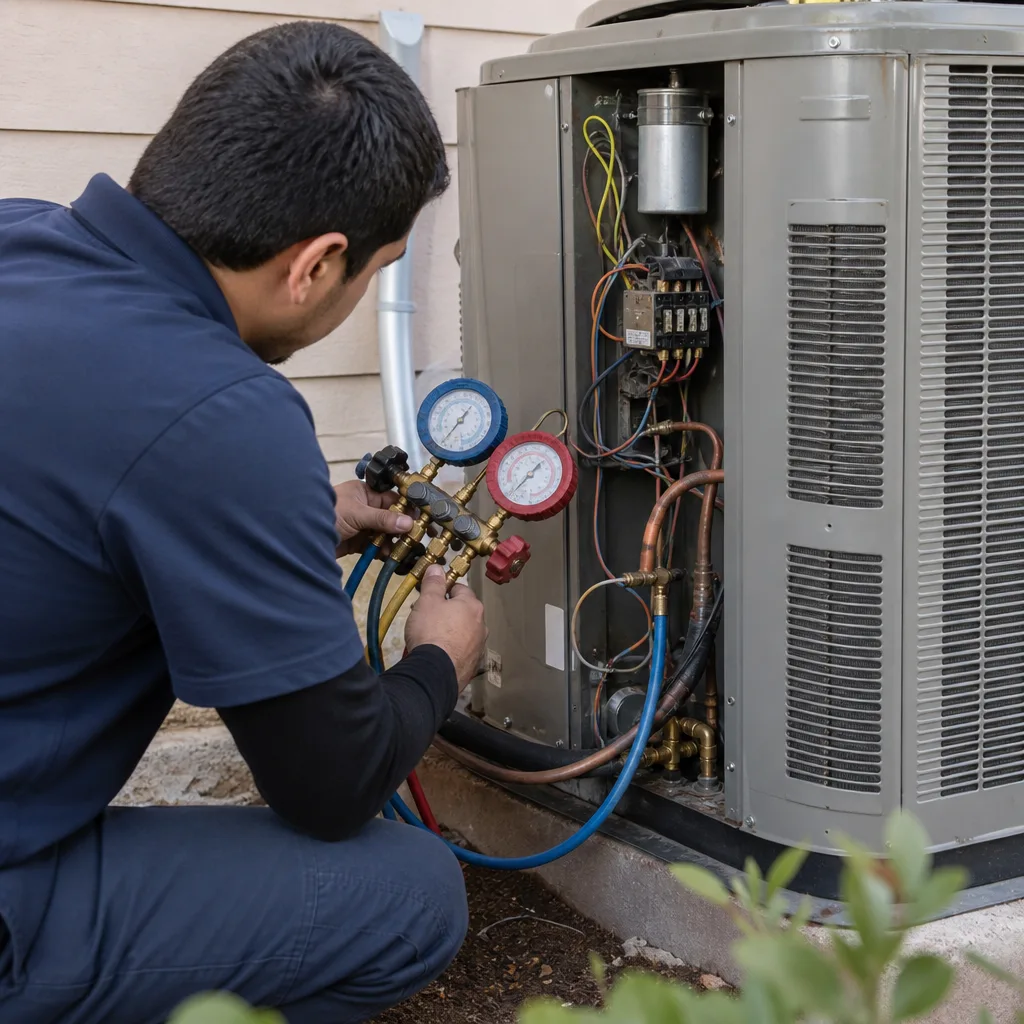 After
AfterDIY or Call Us?
We’ll be honest about the safety piece first: capacitors store a serious electrical charge even when the system is powered off. That charge can hurt you. A capacitor that isn’t properly discharged can deliver a shock strong enough to cause injury. If you’re not comfortable working with live electrical components, don’t. This is a case where calling a trained professional is the smart move, not the expensive one.
What you can safely do yourself: check your breaker, check your thermostat settings, and look at the capacitor through the unit’s access panel without touching anything. If you see a bulging top or oil residue, that’s your answer. But the actual replacement means discharging the capacitor, swapping the wiring precisely, installing the new part, and testing under load. Get the wiring wrong and you can damage the compressor – a $1,500+ mistake on a $25 part. If you want it done right and guaranteed, call (903) 623-6784. We’ll give you a written price before we start, and the repair is covered by our 365-Day Done Right Promise, including a free return visit if anything fails.
FAQs
A capacitor in San Antonio typically lasts 5 to 10 years, but our extreme summers routinely cut that short. We replace capacitors on units that are only 3 or 4 years old more often here than in cooler climates. Heat is the primary factor, along with voltage fluctuations from the grid during peak summer demand.
No. Capacitors are sealed, non-serviceable components. Once the internal dielectric breaks down or the casing bulges, the only fix is replacement. Any technician who says otherwise is trying to sell you something else.
The actual swap takes 20 to 40 minutes once we’re on site, including discharge, removal, wiring the new part, and a full system test. Most San Antonio capacitor replacements are done in under an hour from arrival to a cooling house.
Yes. Our service trucks carry common American Standard capacitor sizes including 35/5, 40/5, 45/5, and universal alternatives. For less common sizes or older units, we can typically source the part same-day from local San Antonio supply houses or have it ready the next morning. Call (903) 623-6784 for a free estimate on your specific system.
Get Your American Standard AC Running Again in San Antonio
If your unit is humming, short-cycling, or just not cooling, don’t wait for a 105-degree afternoon to make the call. Halden Heating and Air San Antonio is certified to service American Standard, Carrier, Trane, Lennox, and other major brands. We answer the phone 24/7 with a real person, not a voicemail tree. Book online, get a live arrival time, and track your technician to the door. You’ll get a written price before any work starts, a written guarantee on the repair, and the peace of knowing it’s done right. Call (903) 623-6784 now or book online for same-day capacitor replacement in San Antonio.
Written by Andre Fuller, Owner, Halden Heating and Air San Antonio at Halden Heating and Air San Antonio, serving San Antonio and nearby areas.