
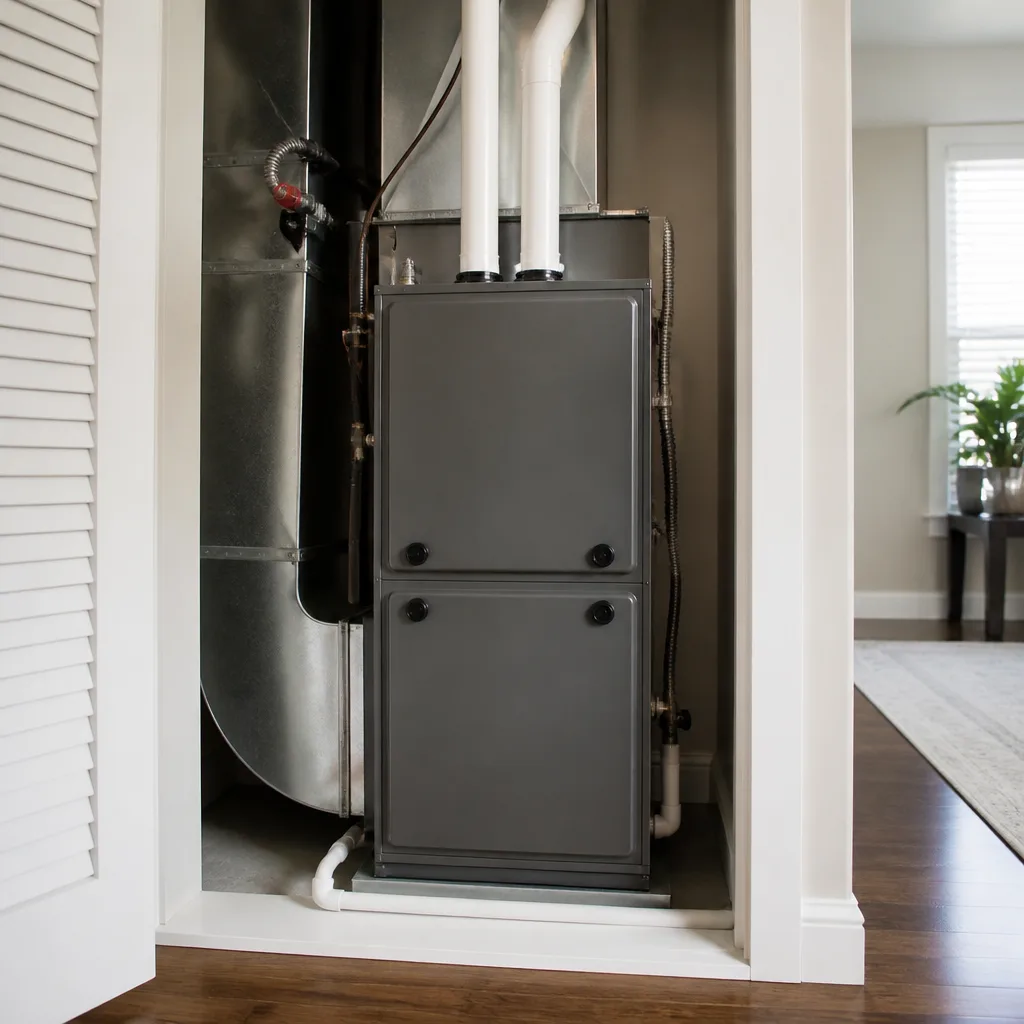
 Furnace & heating
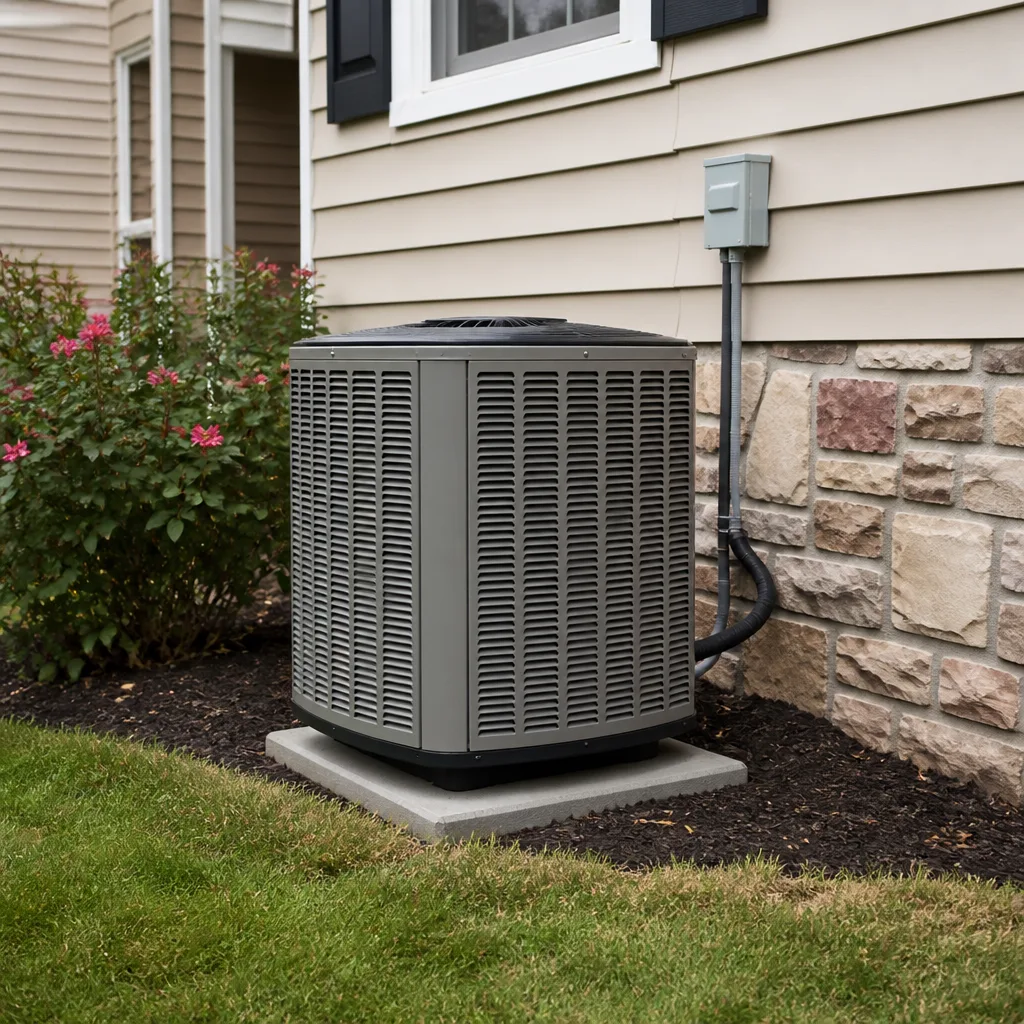 AC repair
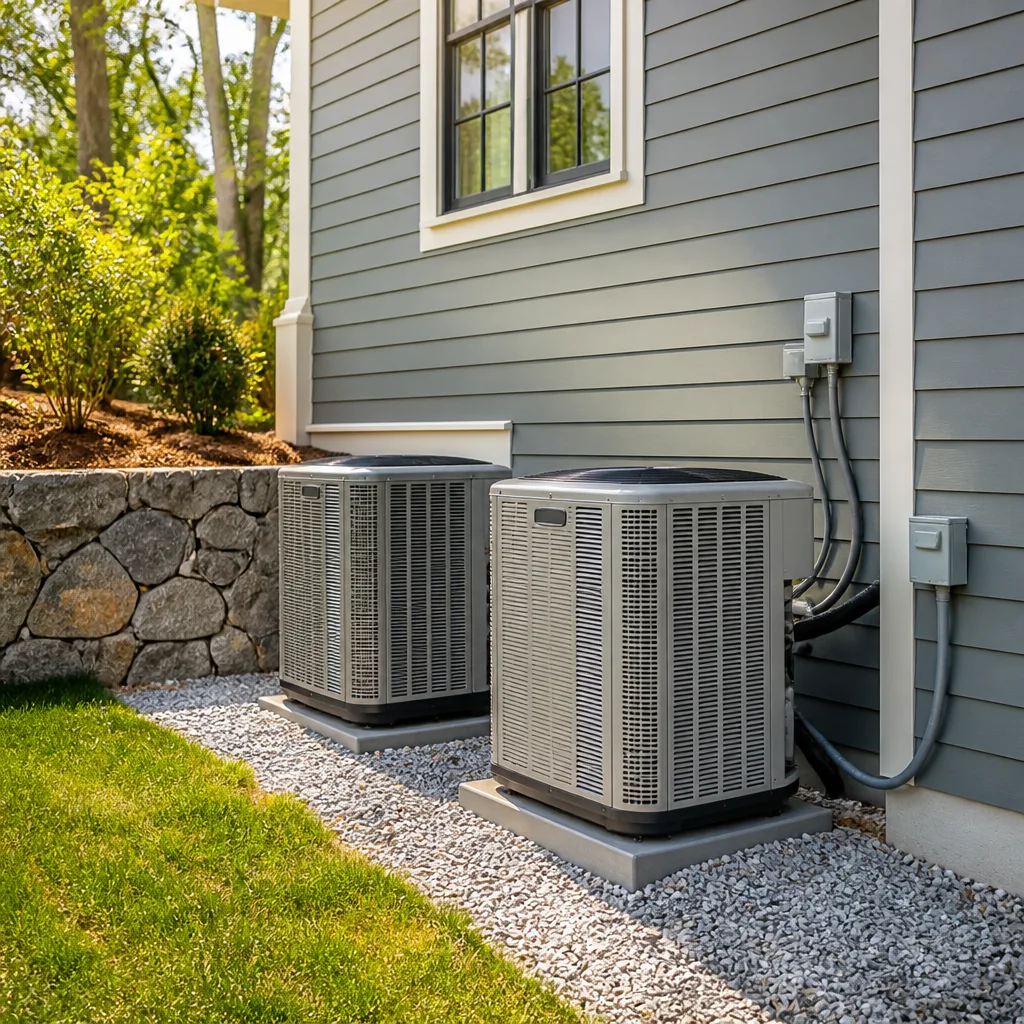 Heat pumps
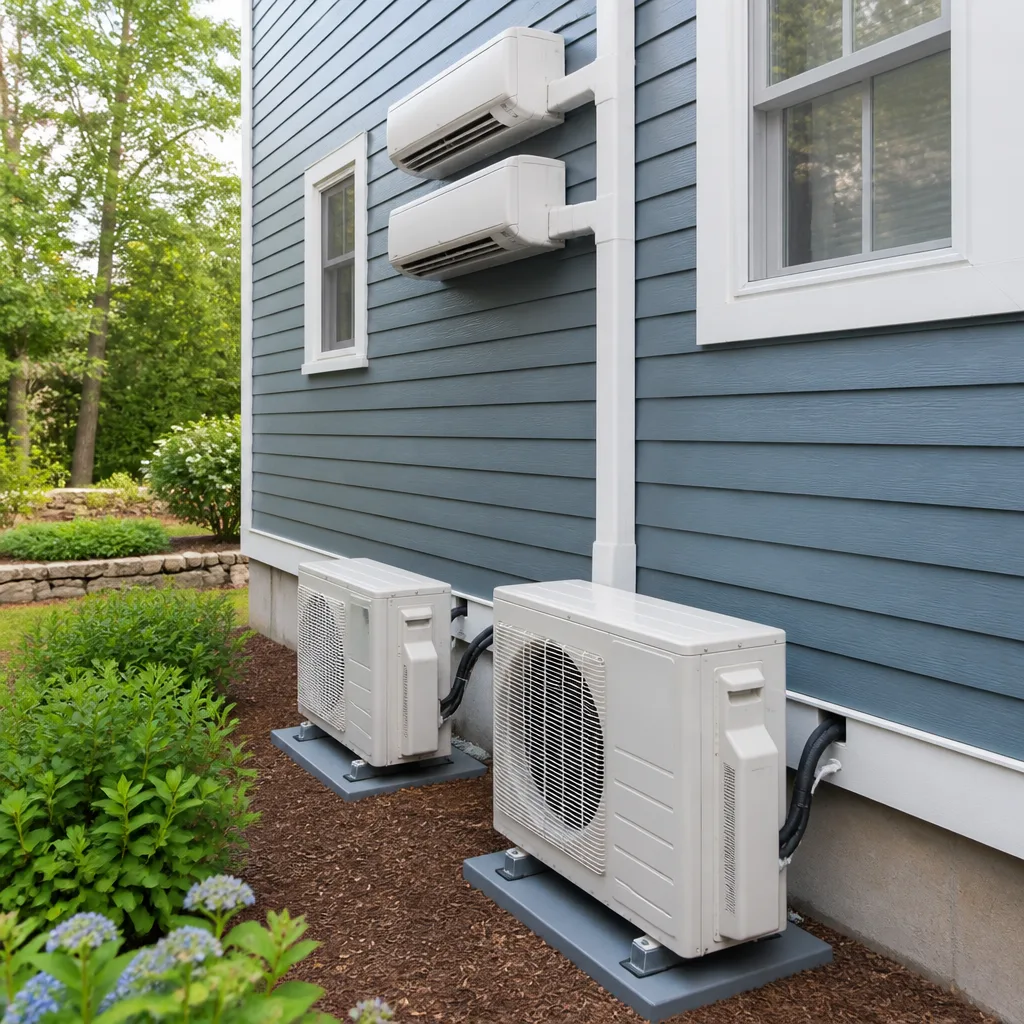 Ductless mini splits
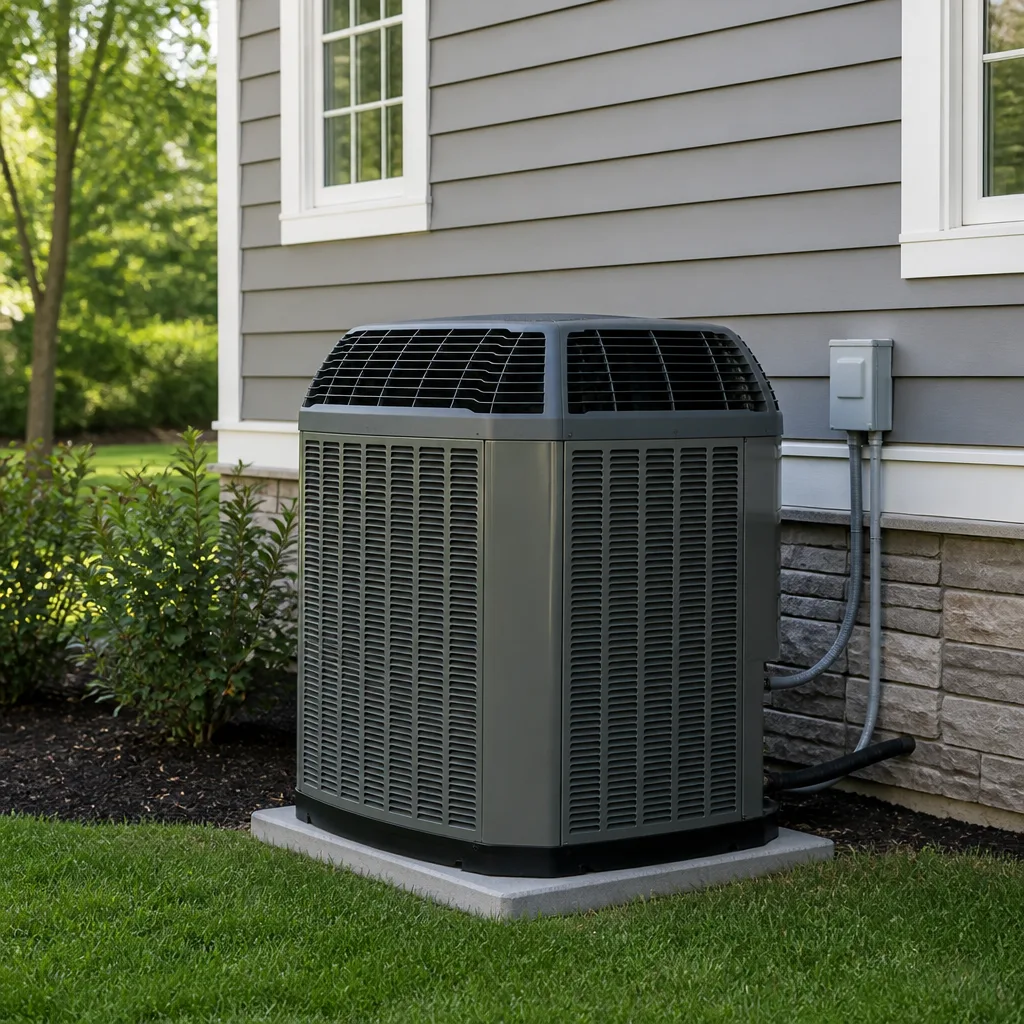 Trane
Trane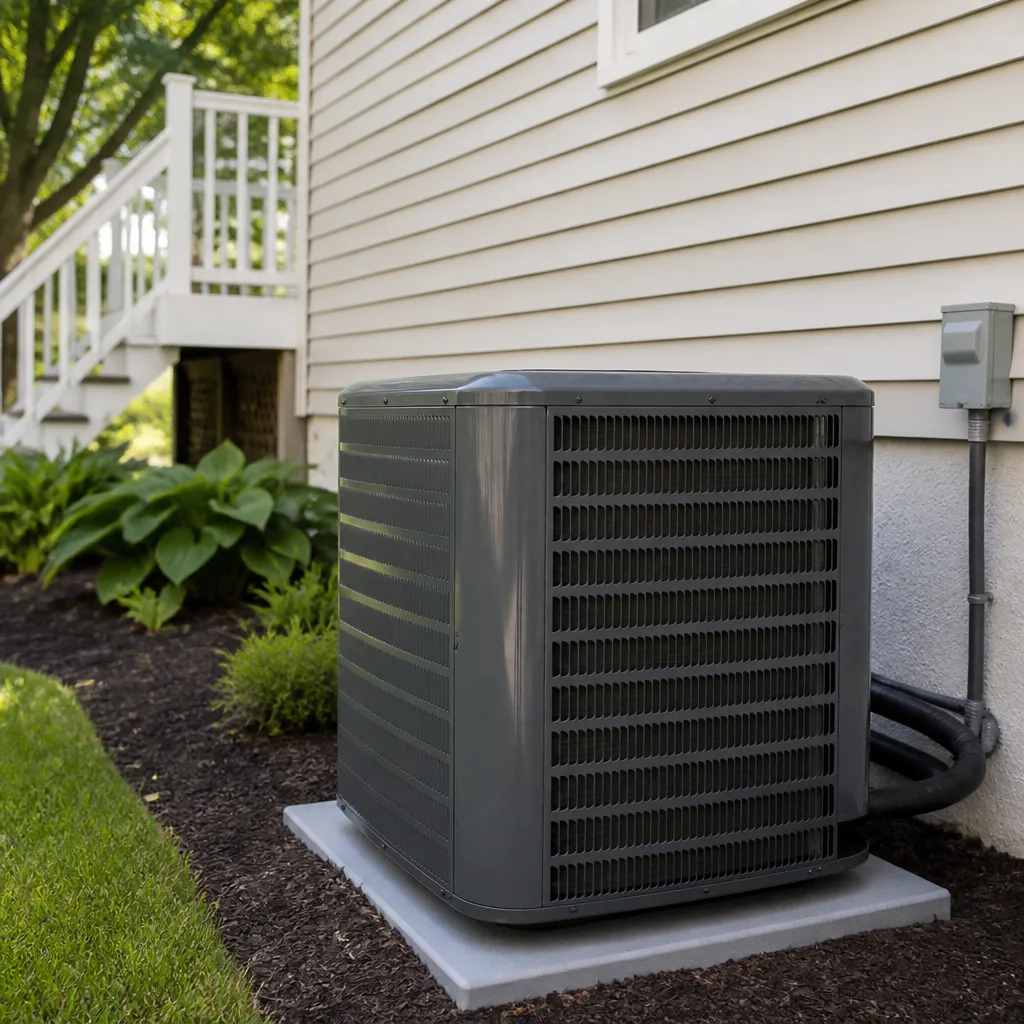 Goodman
Seasonal tune-up and full diagnostic on your Carrier, Trane, or Goodman system - readings shown to you before any repair is proposed
Diagnosis first, numbers second - you approve the repair price before a single part goes in.
Get your free estimateCarrier Capacitor Replacement: The San Antonio Owner’s Guide
We stock Carrier-compatible capacitors on our trucks and replace them same-day across San Antonio, with most installed jobs landing between $180 and $340 depending on your unit’s specs. A capacitor is the small cylinder inside your outdoor condenser that stores and releases the electrical jolt needed to start the compressor and fan motor. When it fails, your Carrier unit either hums without starting, trips its breaker, or blows warm air while the outside fan sits still in 100-degree heat.
Most San Antonio homeowners discover a failed capacitor the hard way: the thermostat says 72, the indoor blower is running, but the air coming out is room temperature. You walk outside, put a hand on the condenser, and it’s either silent or making a low buzzing sound. That buzz is the compressor trying to start without the electrical push it needs. It’s one of the most common AC failures we see from Alamo Heights to Stone Oak, and it’s usually a straightforward fix when caught early.
Which Carrier Models This Applies To
Carrier uses two main capacitor configurations across its residential lines. Single-stage units like the Comfort 13, Comfort 14, and older Infinity series typically use a dual-run capacitor (one cylinder that serves both the compressor and the outdoor fan motor, usually rated 35/5, 40/5, or 45/5 microfarads). Higher-end variable-speed and two-stage models like the Infinity 16, 17, 19, and 20 series often use separate capacitors or a capacitor paired with an inverter board, which changes the diagnosis and the part we bring.
Here’s the compatibility gotcha most people miss: the capacitor rating is printed on the side of the old one, and it needs to be matched within ±5% microfarads, not just eyeballed by size. A 40/5 capacitor and a 45/5 capacitor look nearly identical, but the wrong one shortens compressor life or causes startup failures. Carrier-branded capacitors are made to their spec and carry the Carrier part number, but quality aftermarket equivalents from manufacturers like AmRad and Titan HD are what we install most often in San Antonio. They cost less, hold up better in sustained heat, and are what most Carrier dealers actually carry on their trucks.
We’re an independent service provider, not a Carrier dealer, so we stock both Carrier OEM parts and aftermarket equivalents. That means we’re not locked into one supply chain when your capacitor fails on a Saturday afternoon in August. Halden Heating and Air San Antonio also carries parts for Trane and Lennox systems, so if you have a mixed-brand household or a rental property, we’re equipped for that too.
Styles & brands we work with
Signs Your Carrier Capacitor Replacement Is Failing
- Outside unit hums but won’t start. You hear a low electrical buzz from the condenser, but the fan blade isn’t turning. The capacitor is trying to deliver the starting jolt, but it can’t hold enough charge anymore. This is the textbook failing-capacitor sound.
- AC blows warm air while the indoor blower runs. The indoor air handler is doing its job, but the outdoor compressor never engaged. In San Antonio heat, you’ll notice this within 20 to 30 minutes of the thermostat calling for cooling. A weak capacitor is the most common cause, ahead of contactor failure.
- Breaker trips when the AC kicks on. A capacitor that’s shorted internally can draw excessive current at startup, tripping the breaker. If this happens more than once, stop resetting the breaker and get the unit checked. Repeated tripping stresses the compressor windings.
- Fan runs, compressor doesn’t. On a dual-run capacitor, one section can fail while the other keeps working. The outdoor fan spins, so the unit looks fine from a distance, but the compressor section of the capacitor is dead. This is where a $40 part left unchecked turns into a $1,800 compressor replacement.
- Visible bulging or leaking from the capacitor body. If you open the condenser’s service panel (breaker off first) and the capacitor’s top is domed instead of flat, or there’s oily residue around it, it’s failed. Heat is what kills capacitors in Texas, and a bulged housing means the internal dielectric has broken down.
See the difference
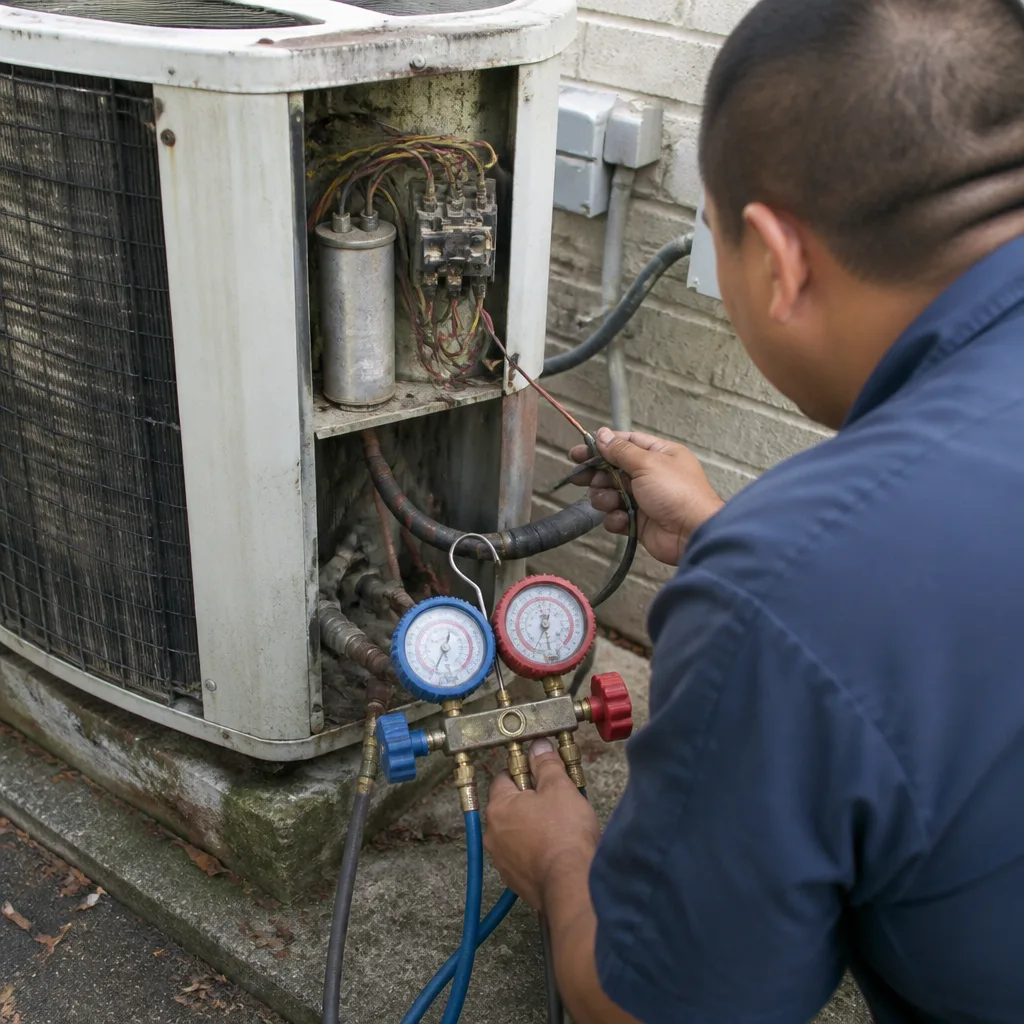 Before
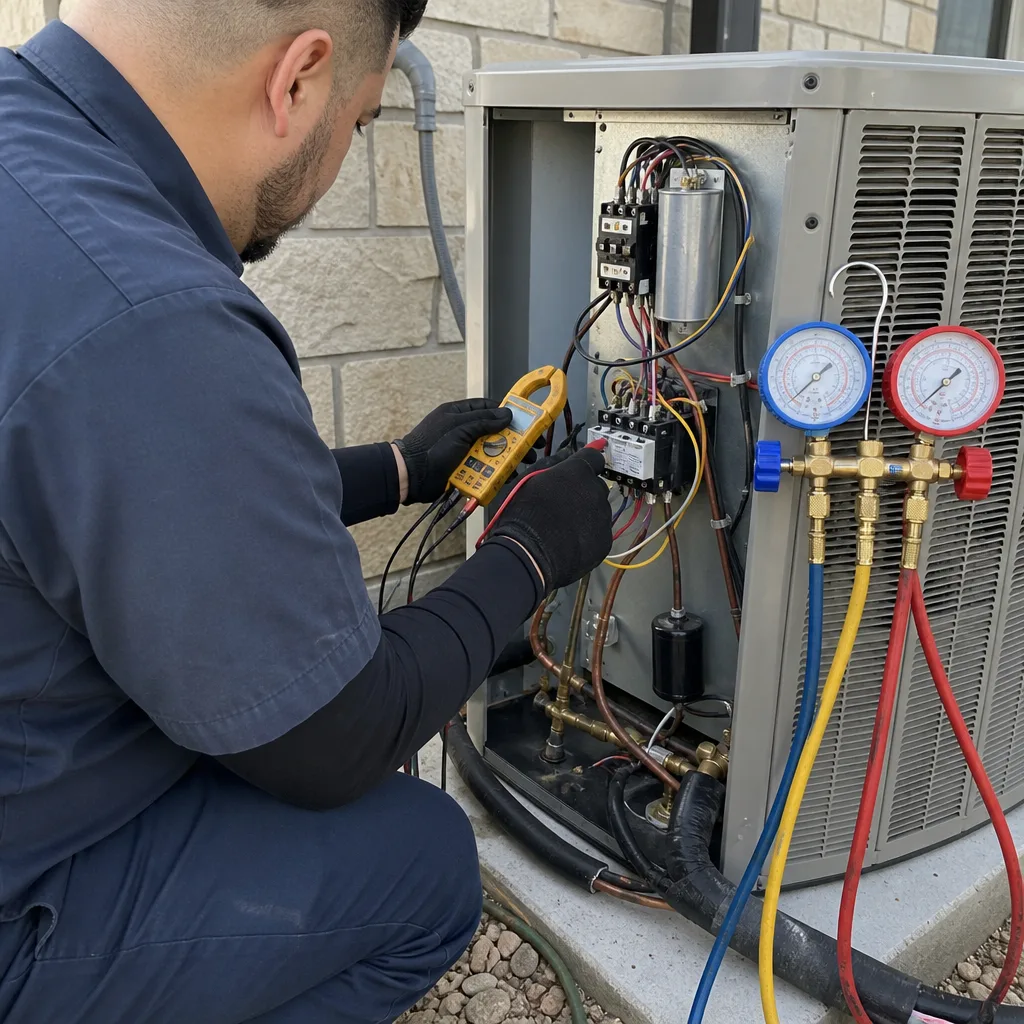 After
After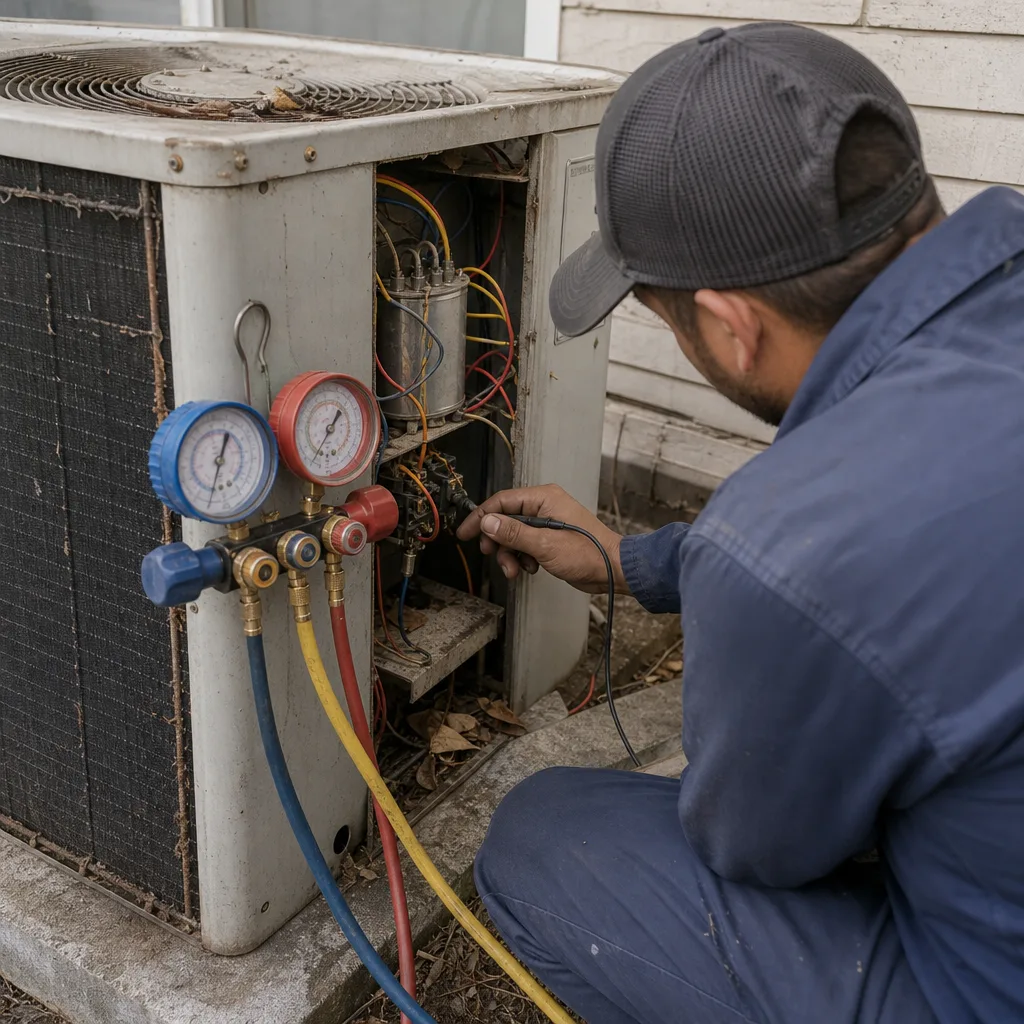 Before
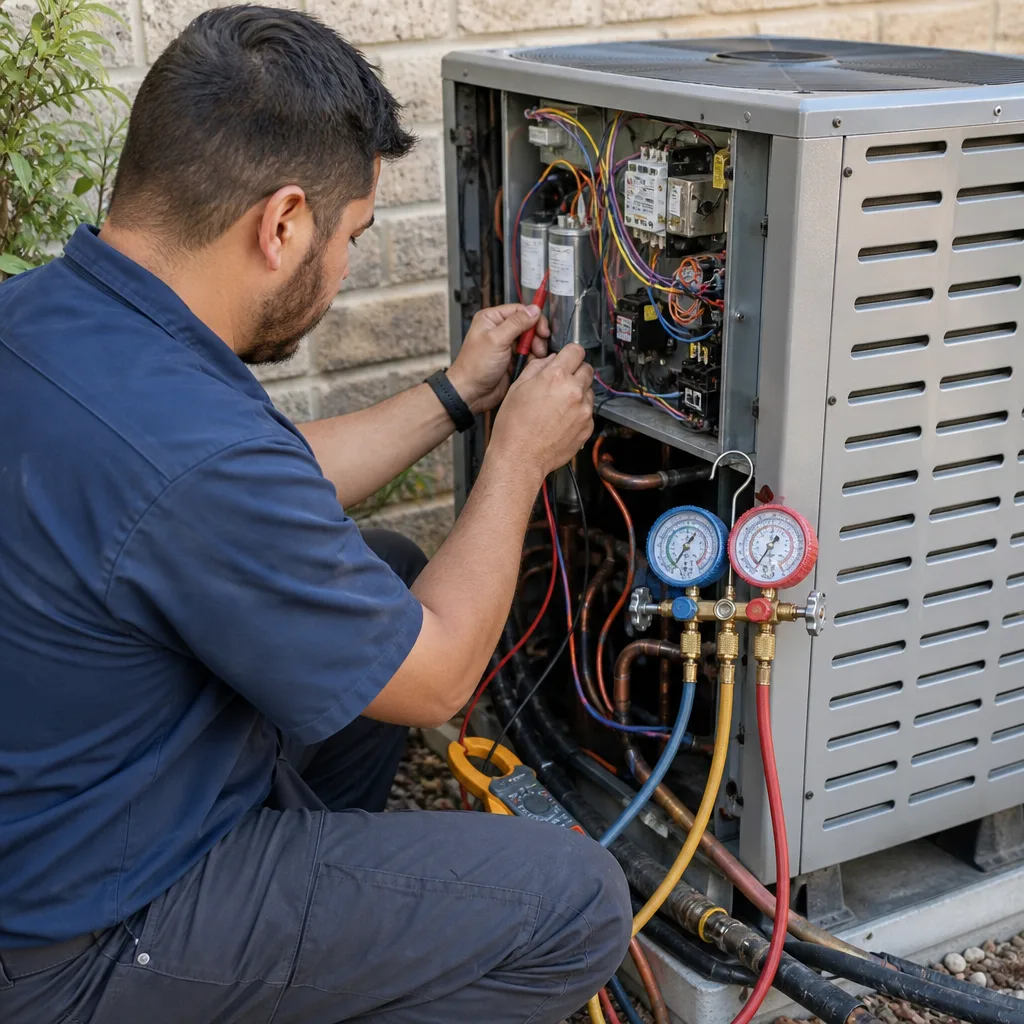 After
After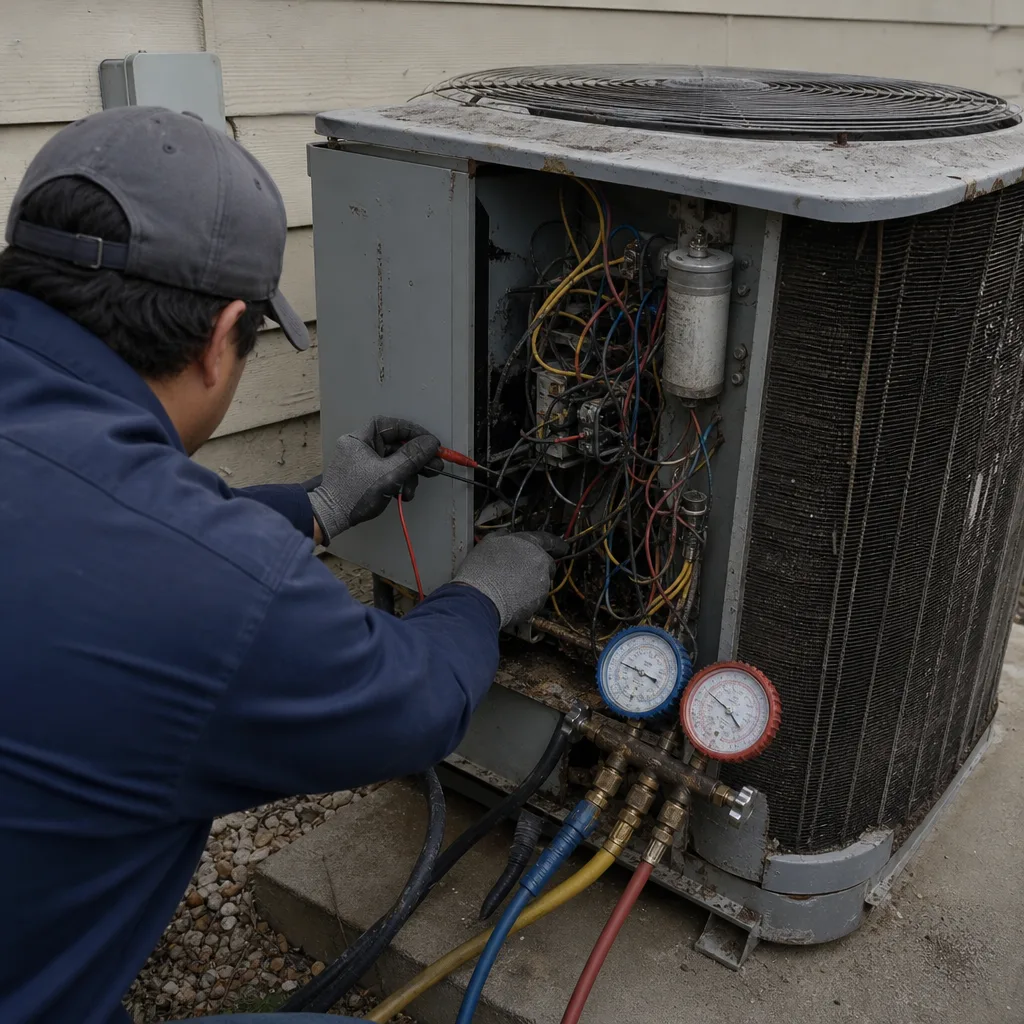 Before
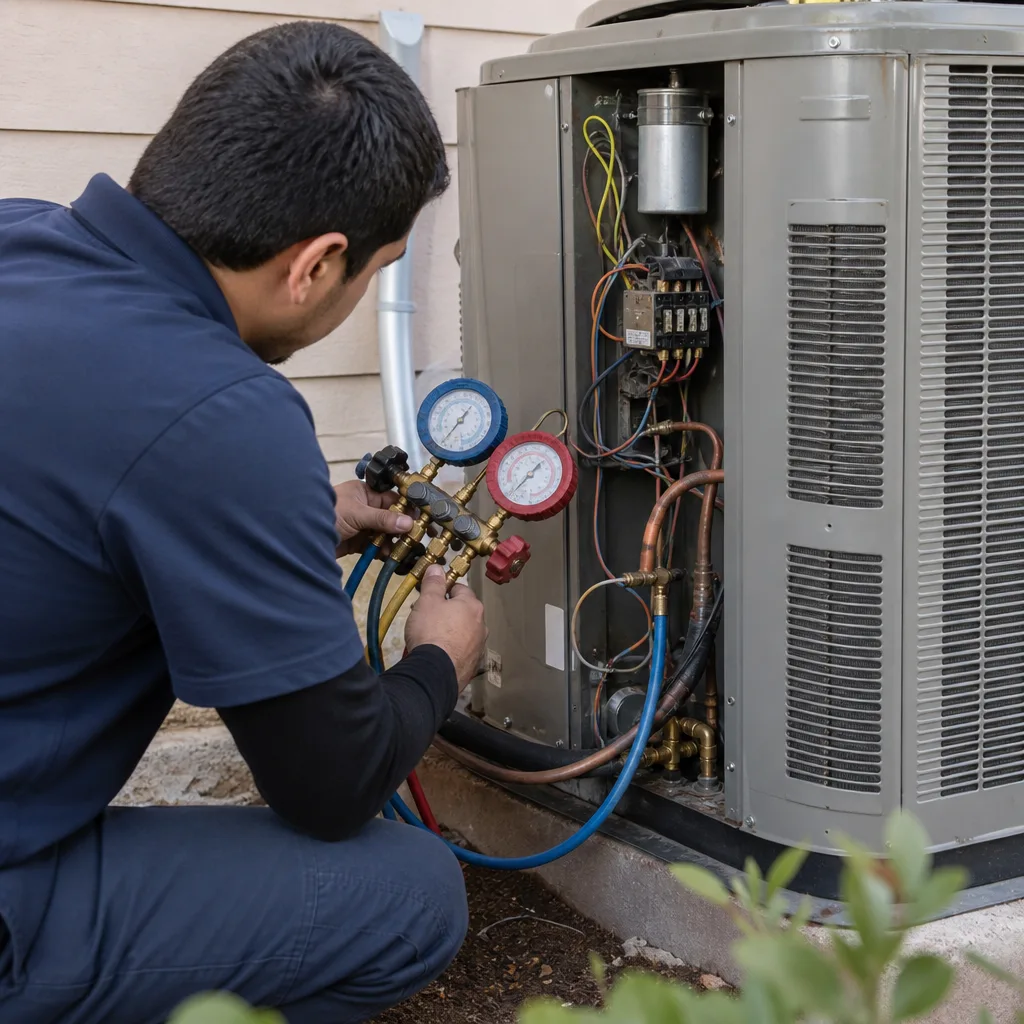 After
AfterReplacement Cost & What’s Included
A Carrier capacitor replacement in San Antonio typically runs $180 to $340 installed when we do the job. The capacitor itself is a $15 to $60 part depending on the microfarad rating and whether we’re installing OEM or a premium aftermarket unit. The rest of the price is labor, diagnosis, and something most companies won’t tell you: we’re also testing the contactor and checking the compressor’s start-up amp draw while we’re in there, because a failed capacitor is often a symptom of another issue, not the root cause.
What drives the range: dual-run capacitors on single-stage Carriers are on the lower end. Two-stage or variable-speed systems that use separate capacitors, or units where a hard-start kit needs to be added, land higher. Every quote from Halden Heating and Air San Antonio includes a written price before we open the panel, and that repair carries a written guarantee. If the new capacitor fails within the coverage window, we come back and replace it at no charge under our 365-Day Done Right Promise. Most AC repairs in San Antonio land between $150 and $650 depending on the part, and a capacitor swap is on the quicker, more affordable end of that range.
DIY or Call Us?
Here’s the honest split. You can safely check the thermostat settings, confirm the breaker is on, and visually inspect whether the outdoor fan is spinning. That’s free, takes two minutes, and helps you describe the problem accurately when you call. What you should not do is open the condenser panel and probe a capacitor with a multimeter unless you’re trained. Capacitors store high voltage even after the power is disconnected, and touching the terminals without discharging them can result in a serious shock. Andre Fuller will tell you flat-out: this is a part where DIY savings evaporate fast if you get it wrong. The wrong microfarad rating, a loose terminal connection, or a capacitor installed backward can damage the compressor you were trying to protect.
If you want to see what’s actually wrong before anyone touches the unit, that’s how we work anyway. Book online, track your tech to the door, and get a written price before the first tool comes out. Call (903) 623-6784 and a real person answers, day or night.
FAQs
Expect 5 to 12 years in our climate, with 7 to 8 years being typical for a quality capacitor on a single-stage Carrier. San Antonio’s sustained triple-digit heat, especially in neighborhoods like Terrell Hills where condensers sit on west-facing walls, shortens capacitor life by cooking the internal dielectric fluid. If your unit is over 8 years old and you’ve never had a capacitor replaced, you’re on borrowed time.
No. A capacitor that’s failed is not repairable, and no reputable HVAC tech would try. The good news is it’s one of the least expensive parts in your Carrier system, and replacing it is faster than diagnosing most other AC problems. Call (903) 623-6784 for an exact quote, free estimate included.
In most cases, 45 to 90 minutes from arrival to a cooling system running again. That includes diagnosis, part replacement, and testing the compressor’s start-up draw. Same-day service is standard for this repair, including weekends.
We stock the most common Carrier dual-run capacitor ratings on our trucks: 35/5, 40/5, 45/5, and 50/5 microfarads, in both Carrier OEM and aftermarket equivalents. For less common configurations on newer variable-speed Carriers, we can typically source the part same-day through our San Antonio supply network. What we carry on the truck is one reason we can offer same-day replacement when your AC fails in peak season.
Written by Andre Fuller, Owner, Halden Heating and Air San Antonio at Halden Heating and Air San Antonio, serving San Antonio and nearby areas.